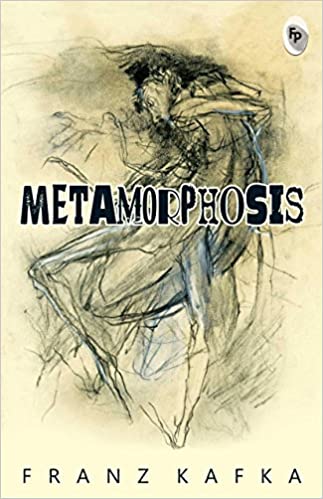
Metamorphosis by Franz Kafka is a short but powerful novella about alienation, family, shame, usefulness, and the loss of human dignity. The story begins with Gregor Samsa waking up one morning to find himself transformed into a strange creature, but the real force of the book lies in how his family and the world around him begin to treat him. This review looks at how the novella explores isolation, self-worth, and what happens when a person is no longer seen as useful.
Book: Metamorphosis
Author: Franz Kafka
Form: Novella / classic fiction
Subject: Gregor Samsa’s transformation and its effect on his family
Main themes: alienation, isolation, family, shame, usefulness, self-worth, absurdity, and human dignity
Best for: Readers interested in classics, short fiction, psychological fiction, existential themes, and open-ended literary interpretation
Why I Picked Metamorphosis
Have you ever had the experience where one book, one reference, or even one passing mention leads you to another writer? That is how I came across Franz Kafka. While reading about major literary figures of the twentieth century, I became curious about his work. After looking up more about his books, I found that Metamorphosis is considered one of his most important works of fiction. Since it was also one of the shortest among his well-known works, I decided to begin with this one.
About Metamorphosis
Gregor Samsa, a travelling salesman, wakes up one morning to find that he has transformed into a vermin-like creature. The story then moves forward through the effect of this transformation on Gregor and his family.
What makes the story powerful is that the transformation itself is never fully explained. Instead, Kafka focuses on what happens after it. Gregor, who was once the earning member of the family, slowly becomes a burden in the eyes of the people around him.
Alienation, Usefulness, and Family
The story can be interpreted in many ways, and different readers may take different meanings from it. For me, one of the core ideas is how isolation and alienation affect a person’s beliefs about themselves.
Gregor Samsa had been the earning member of the family. He worked diligently to make sure his parents and sister were taken care of. But once he transforms and is no longer able to earn, his family’s behaviour towards him begins to change.
This could be because of his frightening appearance, which is understandable at one level. But it can also be read as something deeper: the moment he is no longer the breadwinner, he becomes a source of shame and discomfort for the family.
Shame, Self-Worth, and Isolation
One can also think of it as a situation where someone in the family is suffering from a serious illness. The family may continue to take care of that person, but there can also be discomfort, helplessness, and even resentment around the illness.
The question then is not only why someone is isolated, but what that isolation does to them. Over time, Gregor develops a sense of low self-esteem. Because of what others think about him, he slowly begins to think the same about himself.
We can see this even in our immediate surroundings, whether at home or in the office. If someone is constantly bullied, discredited, or treated as less important, they may eventually start believing the same thing about themselves. This, for me, is the real tragedy of the story.
Writing Style
Kafka’s writing is simple on the surface, but the effect is unsettling. The story begins with an impossible event, yet it is narrated almost like an ordinary household problem. That contrast makes the novella strange and powerful.
The beauty of Metamorphosis is that it remains open to interpretation. One reader may see it as a story about family, another may read it as a story about illness, work, capitalism, or alienation. That openness is what makes the novella stay with the reader even after such a short read.
Who Should Read Metamorphosis
Metamorphosis is a good starting point for readers who want to read Franz Kafka but do not know where to begin. Since it is short, it is not intimidating, but it still gives a strong sense of Kafka’s world and themes.
Readers interested in classics, alienation, psychological fiction, family relationships, and stories that leave room for interpretation will find this novella meaningful.
Our Verdict
Metamorphosis is a short but deeply unsettling novella. What begins as a strange story about a man turning into a creature slowly becomes a painful reflection on family, usefulness, isolation, and human dignity.
I think the strength of the story lies in how open it is to interpretation. You may read it differently depending on your own experiences, but it will almost certainly make you think about how we treat people when they are no longer useful to us. Read it to find your own interpretation of the story.
About The Author
Franz Kafka was one of the major fiction writers of the 20th century. He was born to a middle-class German-speaking Jewish family in Prague, Bohemia (presently the Czech Republic), Austria–Hungary. His unique body of writing—much of which is incomplete and which was mainly published posthumously—is considered to be among the most influential in Western literature.
His stories include “The Metamorphosis” (1912) and “In the Penal Colony” (1914), while his novels are The Trial (1925), The Castle (1926) and Amerika (1927).
Related Readings
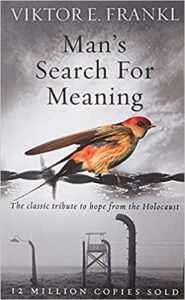
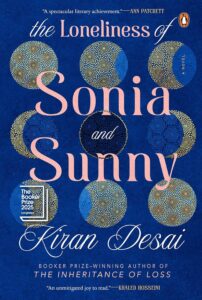
If Metamorphosis interests you, these related reviews may help you explore loneliness, suffering, alienation, and inner life further. The Loneliness of Sonia and Sunny looks at loneliness within families and relationships, while Man’s Search for Meaning turns toward suffering, dignity, and the search for meaning in a very different context.

Manoj Payal
Manoj is an avid reader and a writer in progress, with interests spanning literature, history, politics, and the social sciences. His writing across book reviews, essays, articles, and poetry—explores ideas, society, and the human experience.He has spent over two decades working in the IT industry, a background that informs his analytical approach to reading and writing.