
The Details by Ia Genberg is a quiet, introspective novel about memory, relationships and the people from our past who continue to shape who we
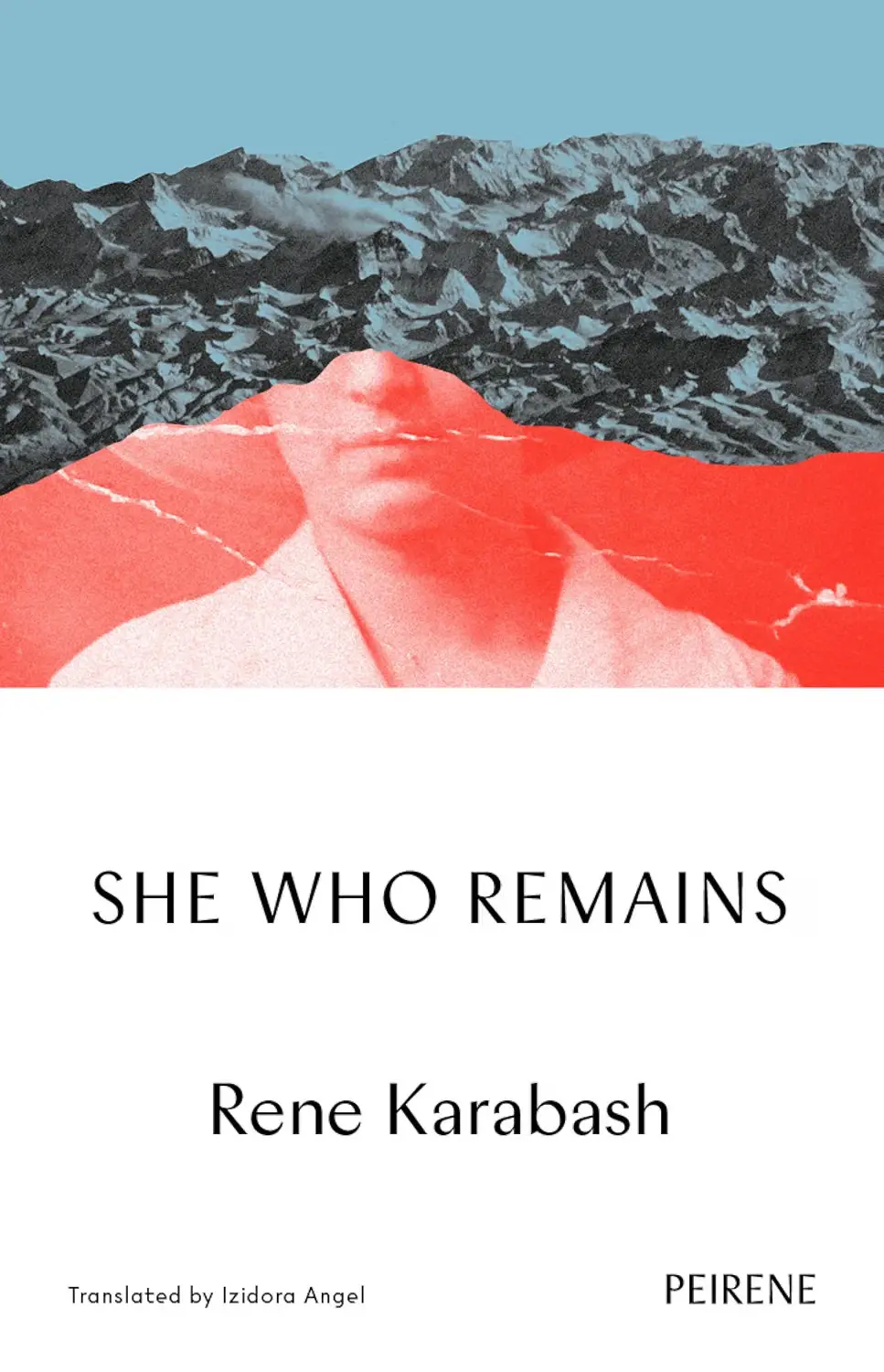
She Who Remains by Rene Karabash is a lyrical and moving story of love, patriarchy and sacrifice, set in an Albanian community where the ancient

Han Kang’s The White Book is a poetic and meditative work about white objects, grief, memory, loss, healing, and the sister she never met.

Han Kang’s Human Acts is a powerful novel about the 1980 Gwangju Uprising in South Korea, state violence, grief, trauma, memory, and survival.
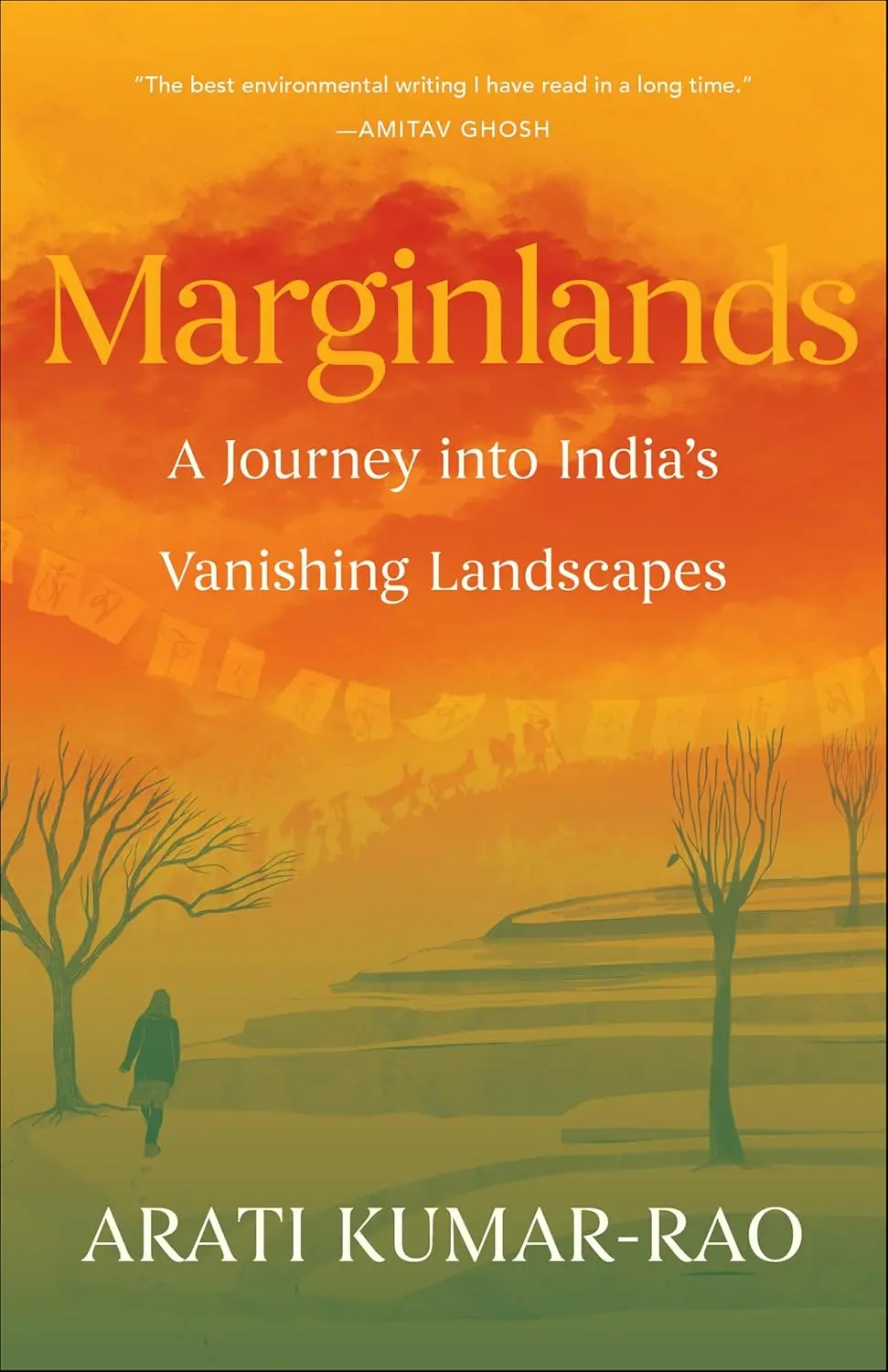
Arati Kumar-Rao’s Marginlands takes readers through India’s vanishing landscapes, showing how climate change, development, and ecological neglect affect ordinary people.

Sylvia Plath’s The Bell Jar follows Esther Greenwood, a promising young woman whose life slowly gives way to alienation, depression, and a crisis of identity.
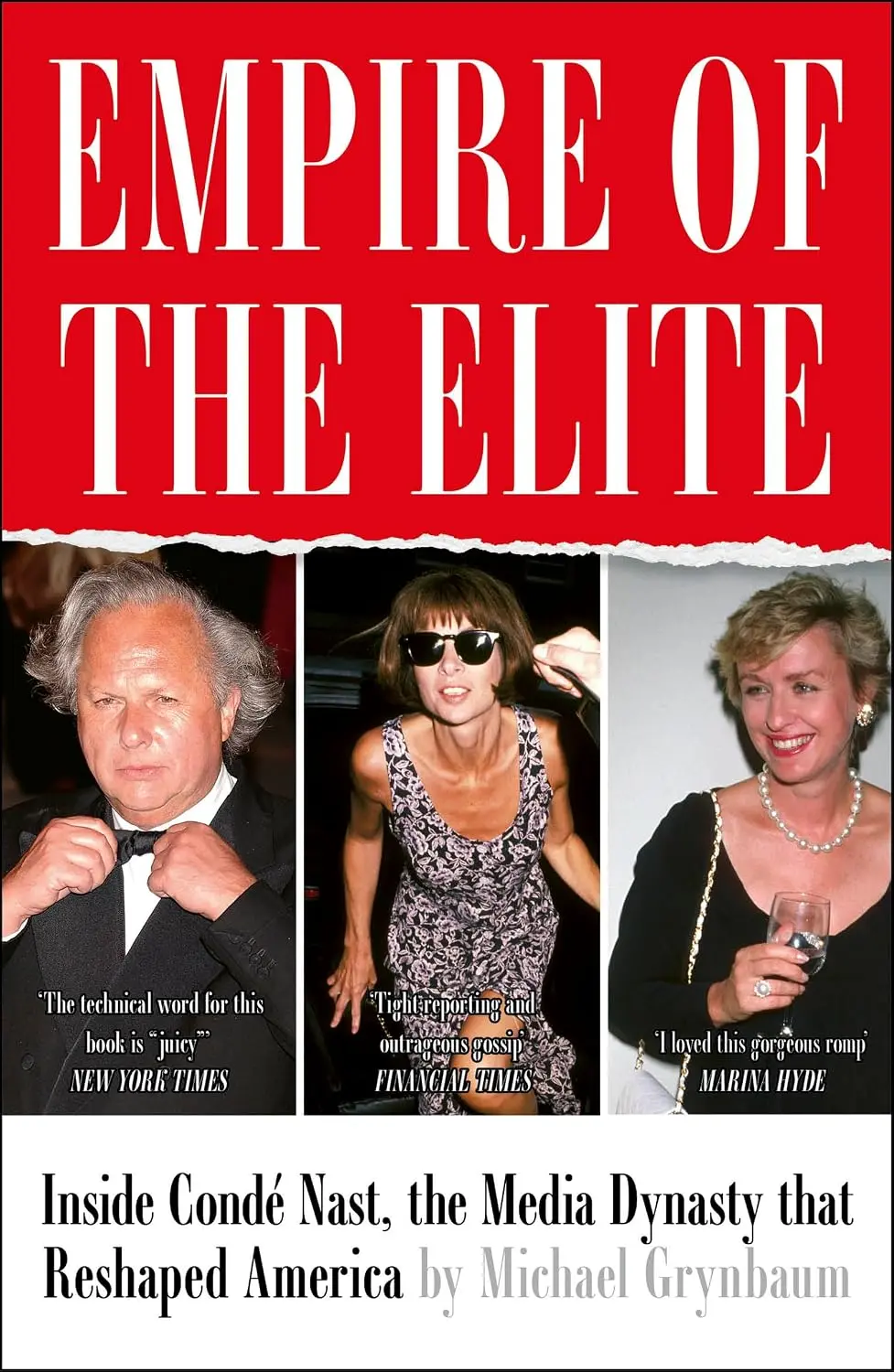
Michael M. Grynbaum’s Empire of the Elite tells the story of Condé Nast, the magazine empire behind Vogue, Vanity Fair, GQ, and The New Yorker.

Charlotte Wood’s Stone Yard Devotional is a quiet, reflective novel about a middle-aged woman who leaves Sydney, returns to her childhood town, and lives in

Caroline Criado Perez’s Invisible Women exposes how gender data bias shapes everyday life, from healthcare and workplaces to transport, technology, public policy, and design.
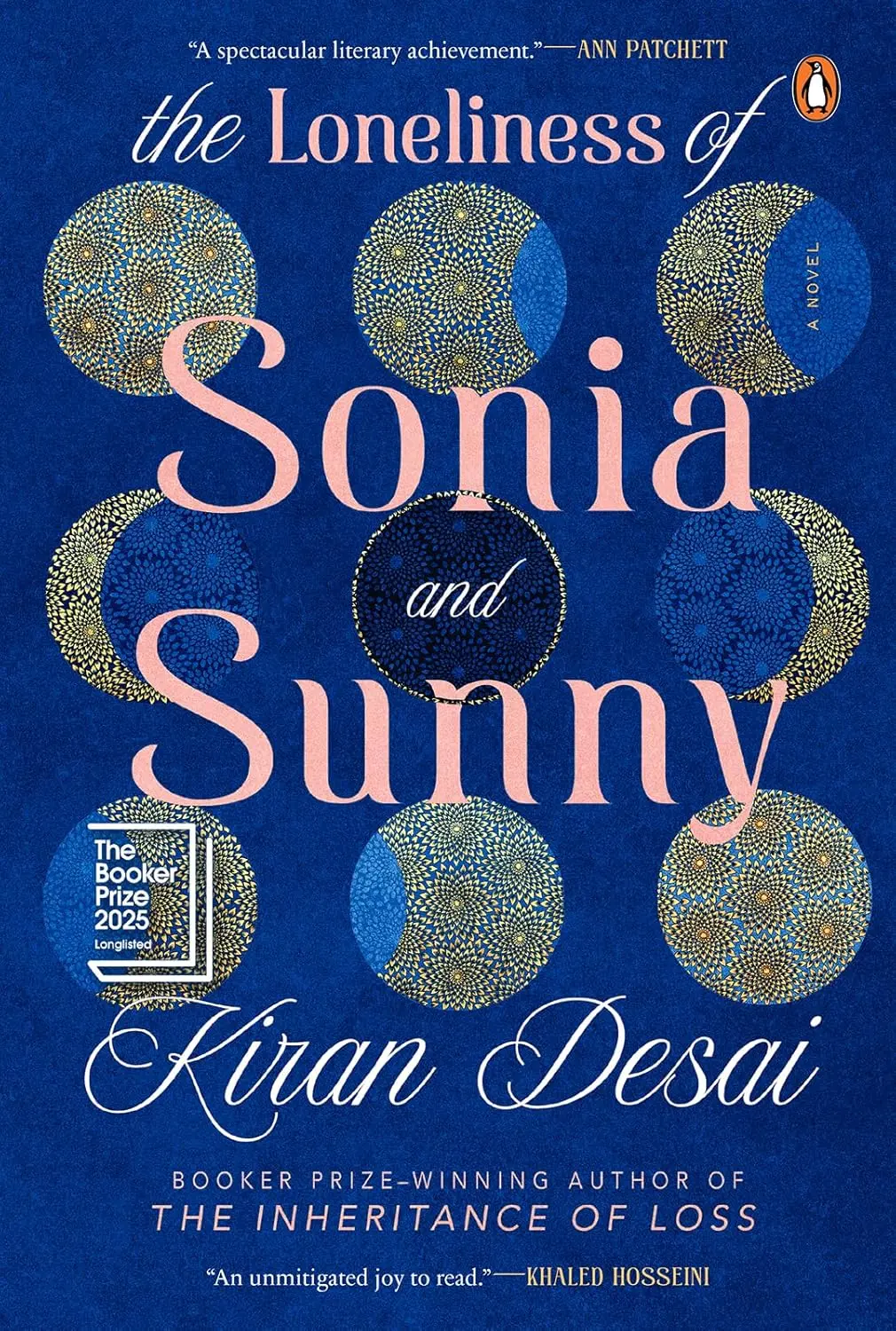
The Loneliness of Sonia and Sunny explores loneliness, relationships, family dynamics, and literary realism across India and America, along with thoughts on pacing, class, and
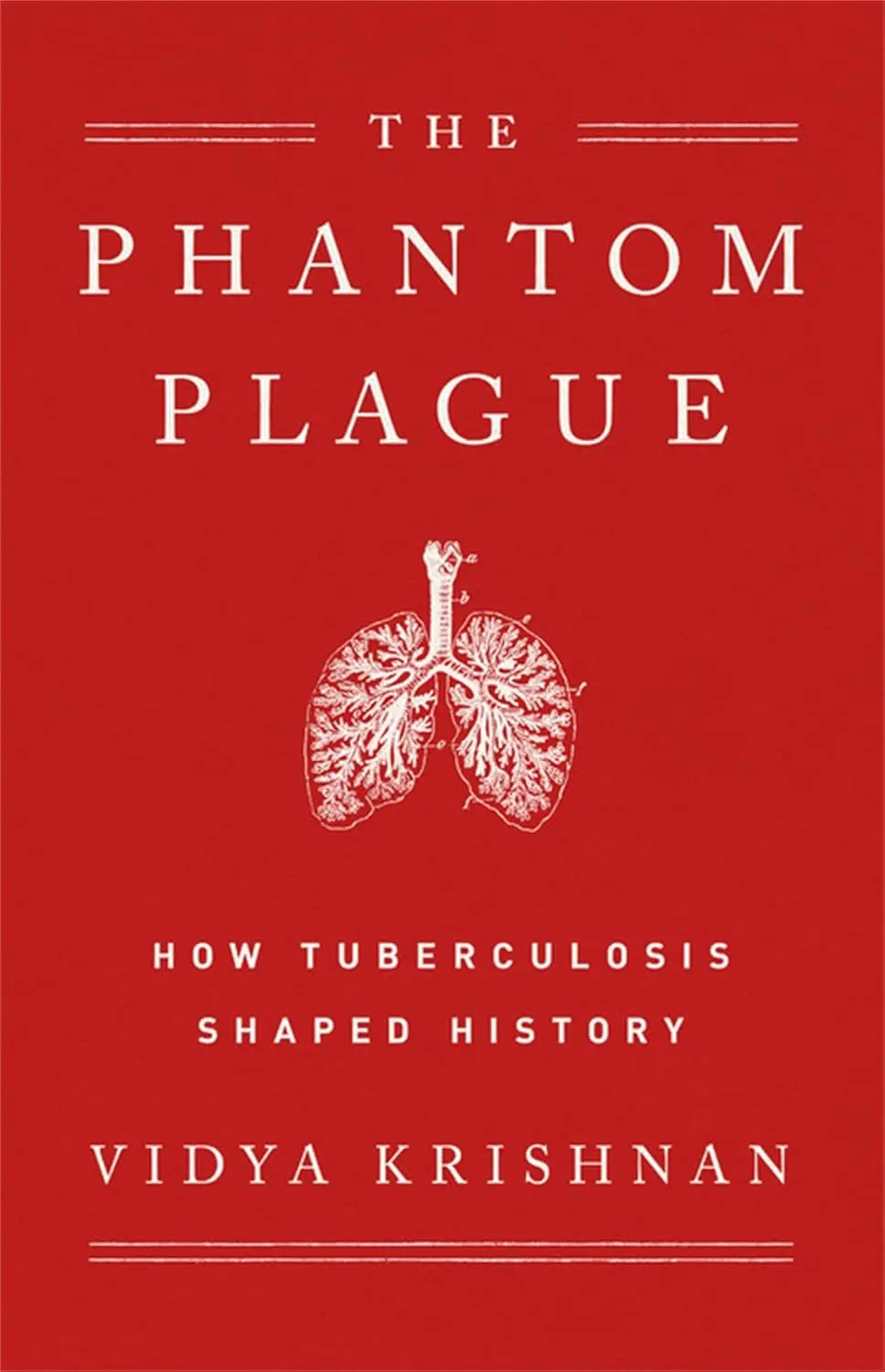
Vidya Krishnan’s Phantom Plague traces the history and present crisis of tuberculosis, showing how stigma, poverty, drug resistance, pharma patents, and public-health failure continue to
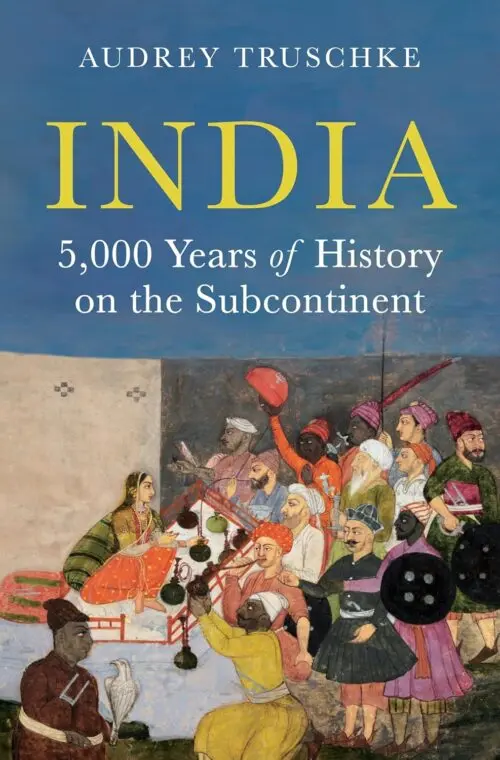
Audrey Truschke’s India: 5,000 Years of History on the Subcontinent offers a broad overview of Indian history, political myths, social reform, caste, women, and historical

Maggots, Murder, and Men by Zakaria Erzinclioglu, exploring forensic entomology, real crimes, and the science of insects.
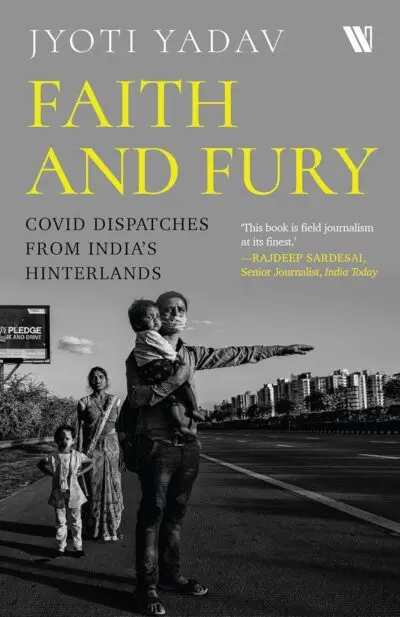
Jyoti Yadav’s Faith and Fury documents the human cost of Covid in India’s villages and small towns, focusing on migrant workers, rural distress, state failure,

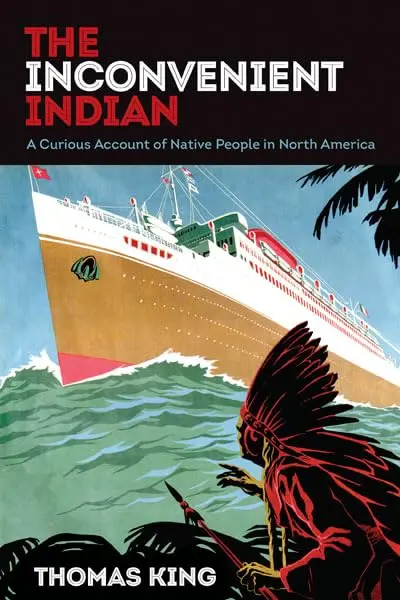
Thomas King’s The Inconvenient Indian examines Indigenous history in North America through colonialism, land dispossession, treaties, identity, and popular culture.
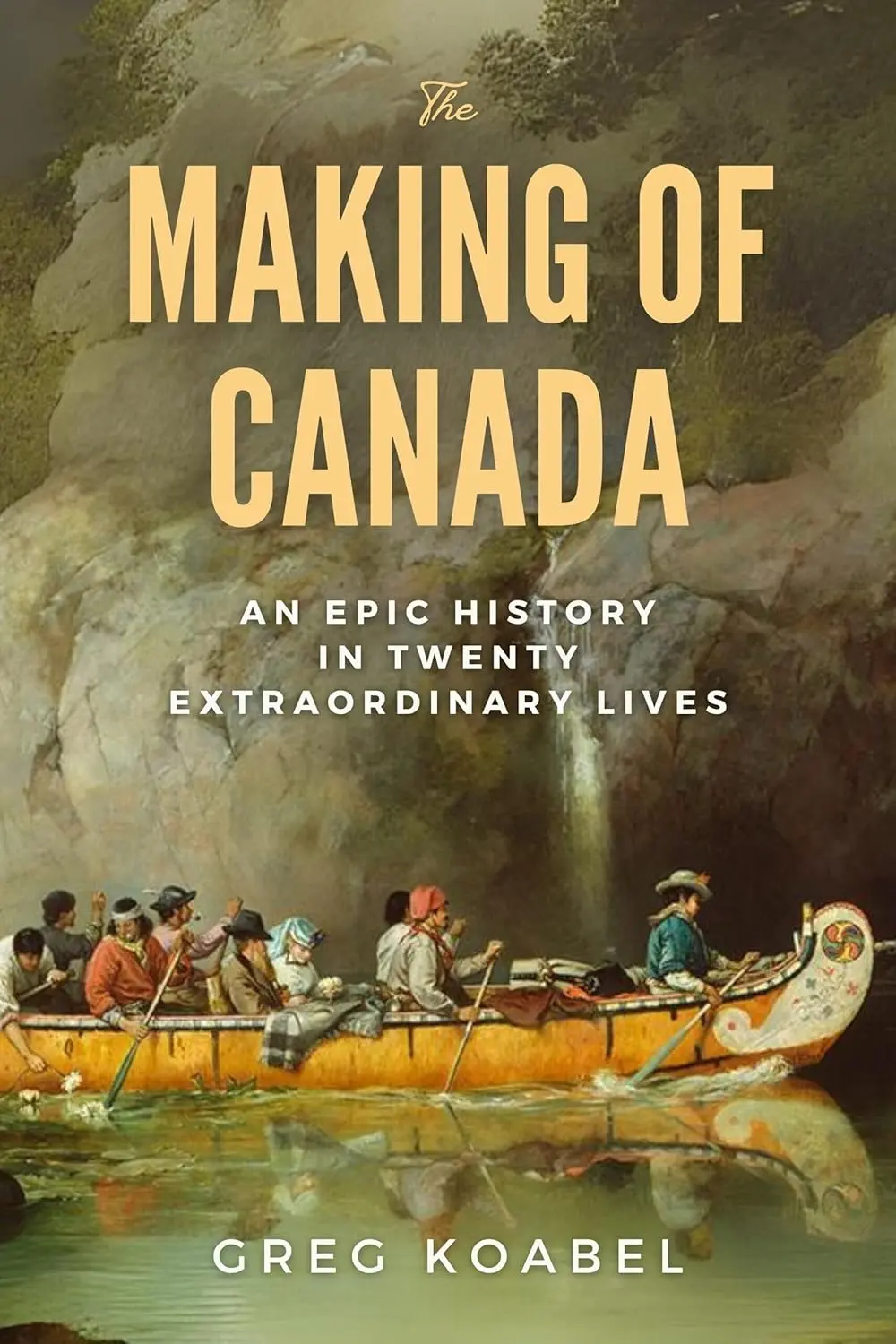
A concise and engaging review of The Making of Canada by Greg Koabel, tracing the country’s formation from early European exploration to Confederation through the
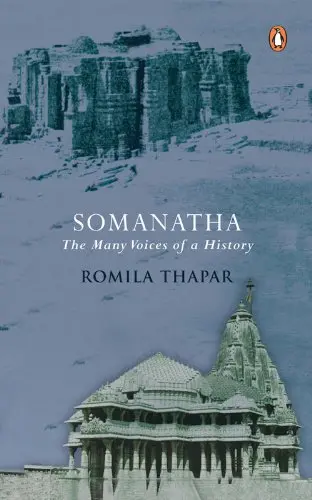
Romila Thapar’s Somanatha – The Many Voices of History dismantles the popular myths surrounding the Somnath temple, showing how medieval chronicles, colonial historians, and modern
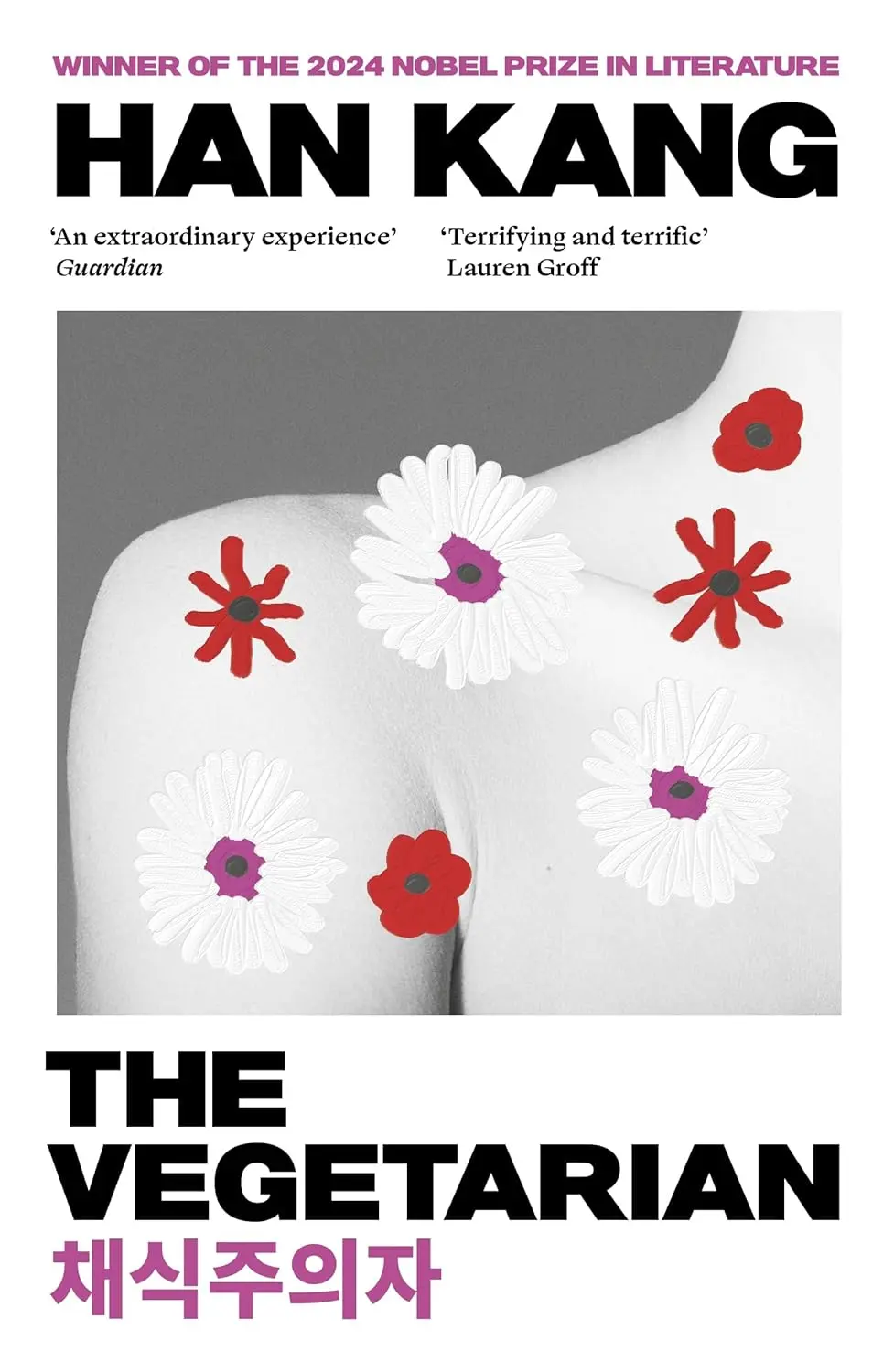
The Vegetarian by Han Kang—an unsettling novel about patriarchy, silence, and the cost of saying no.
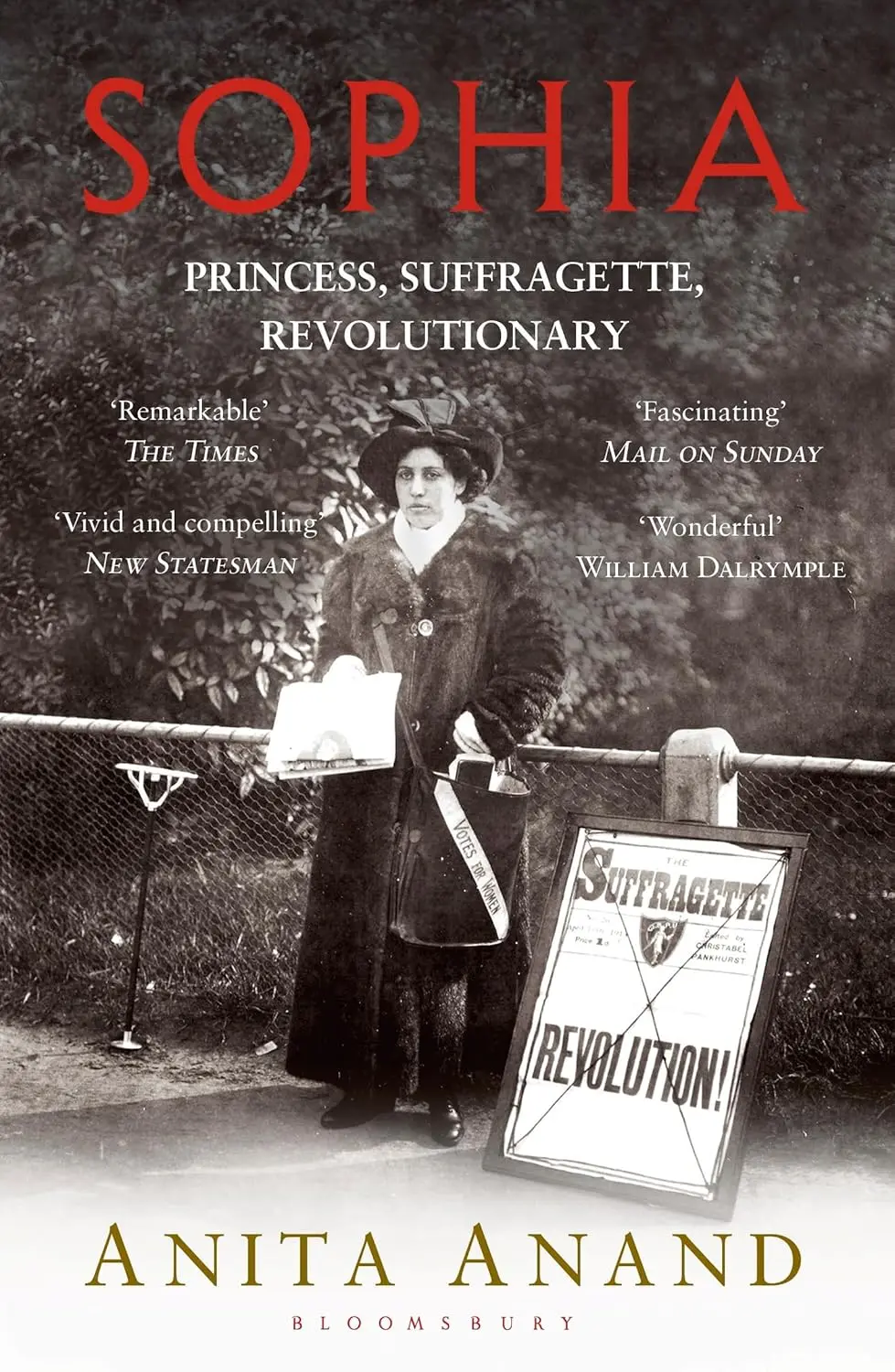
Anita Anand’s Sophia tells the remarkable story of Princess Sophia Duleep Singh, daughter of Maharaja Duleep Singh, and her journey from royal exile to suffragette