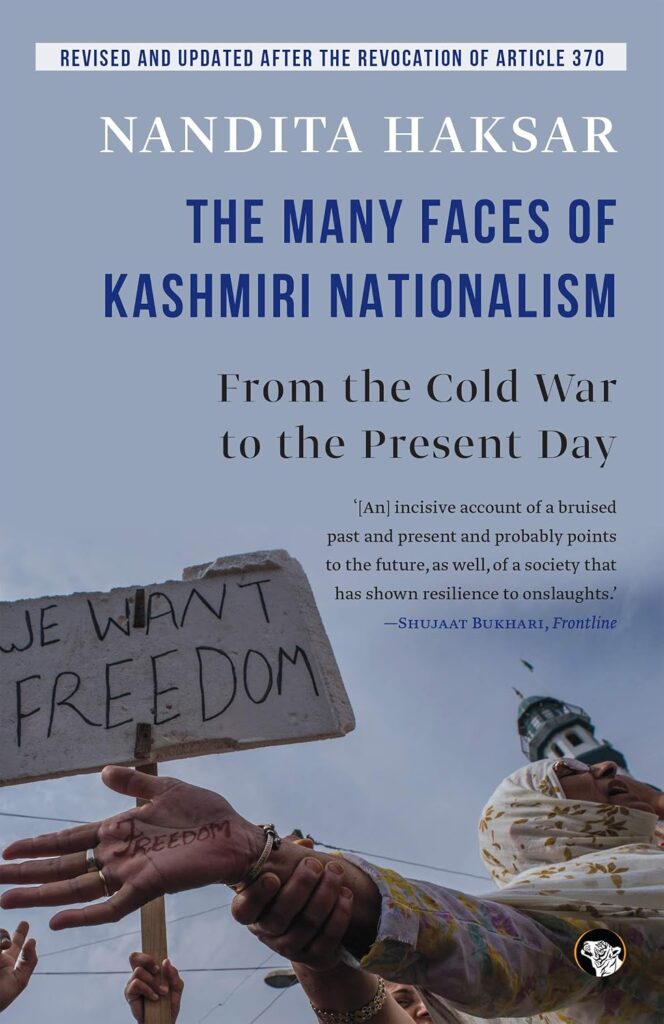
The Many Faces of Kashmiri Nationalism by Nandita Haksar is a book about Kashmir, Kashmiri nationalism, political history, and the changing meaning of resistance in the valley. The book looks at Kashmir through the lives of two Kashmiri men — Sampat Prakash, a Kashmiri Pandit and Communist trade union leader, and Mohammad Afzal Guru, who was convicted and hanged for his role in the Indian Parliament attack. This review looks at how the book explains Kashmir’s modern history, nationalism, political movements, and the changing narratives around the conflict.
Book: The Many Faces of Kashmiri Nationalism: From the Cold War to the Present Day
Author: Nandita Haksar
Form: Political history / non-fiction
Subject: Kashmiri nationalism and modern political history of Kashmir
Main themes: Kashmir, Kashmiri nationalism, Kashmiriyat, AFSPA, Sampat Prakash, Afzal Guru, trade unions, communism, separatism, Indian state, elections, militancy, and political identity
Best for: Readers interested in Kashmir, Kashmiri nationalism, Kashmir conflict, political history, human rights, AFSPA, and books that explore Kashmir from different perspectives
Why I Picked The Many Faces of Kashmiri Nationalism
The Many Faces of Kashmiri Nationalism is one more book that I wanted to read to learn more about various aspects of Kashmir and the ongoing conflict. While reading a book on a specific subject, you come across other books on the same subject from different authors.
I came to know about this book and searched for Nandita Haksar. I found that she is a prolific writer, human-rights lawyer, and the first person to challenge the infamous Armed Forces (Special Powers) Act, commonly known as AFSPA.
This made me pick this book to get some insight into Kashmir from a different perspective.
About The Many Faces of Kashmiri Nationalism
The Many Faces of Kashmiri Nationalism: From the Cold War to the Present Day is a book that gives us a glimpse of the history of Kashmiri nationalism. The author talks about Kashmiri nationalism after Independence, during the Cold War years, and after the insurgency that started in the late 1980s.
The story is told through the lives of two Kashmiri men: Sampat Prakash, a Kashmiri Pandit and Communist trade union leader, and Mohammad Afzal Guru, who was hanged for his role in the terrorist attack on the Indian Parliament. Your current post already presents these two figures as the main lens through which the book explains Kashmiri nationalism.
Kashmir’s History and the Rise of Kashmiri Nationalism
The book provides a brief history of Jammu and Kashmir, from the Mughal invasion to Sikh and Dogra rule, and then finally accession to India by the ruler Hari Singh.
It talks about the revolt of Kashmiri people against Dogra rule and the emergence of Sheikh Abdullah as an icon of Kashmiri nationalism. It also explains what direction Kashmiri nationalism took after Independence, and how different political parties came into being owing to different ideologies.
One gets to know how things came to the point where people of Kashmir revolted against Indian forces and the Indian government, and how the armed struggle started in the 1990s.
Sampat Prakash, Trade Unions, and Kashmiriyat
It is interesting and informative to know the post-Independence history of Kashmir through the life and experience of Sampat Prakash.
This is the first time I have read about Kashmir and the role of Communists and trade unions in unifying Kashmiri people across religion on the issues of wages, better working conditions, and the general betterment of people at the lower rung of the economic hierarchy.
Through Sampat Prakash, the book gives readers a different way of looking at Kashmiri nationalism — not only through religion, militancy, or separatism, but also through labour, class, rights, and Kashmiriyat.
Elections, Democracy, and Political Alienation
There are many historical facts and anecdotes that one comes across while reading this book. They are sometimes interesting, sometimes sad, but always informative.
The way the Indian government at the centre handled the state of Jammu and Kashmir is something to think about. The author throws light on the kind of democracy that was run in Jammu and Kashmir. Barring a couple of elections, many elections were allegedly rigged in favour of a party that agreed with the central government in Delhi, thus alienating the people of Kashmir further.
The book shows how political manipulation and repeated interference contributed to growing distrust among Kashmiris.
Afzal Guru and the Meaning of Kashmiri Nationalism
The book also tries to understand the meaning of Kashmiri nationalism from the perspective of Afzal Guru, who was convicted and hanged for the attack on the Indian Parliament.
It takes readers through the life of Afzal Guru and what nationalism meant to him and many like him. The book discusses details about his involvement in the Parliament attack, how he got involved, what his life was like before the attack, and much more.
This gives readers a different perspective on things they may already know about him.
Two Lives, One Larger Story of Kashmir
It is not only the two protagonists whose lives, and in the case of Afzal Guru, death, the book is focused on. These two are the medium through which the author tells us the story of Kashmir, Kashmiri people, and Kashmiri nationalism.
The book explores what nationalism means to the people of Kashmir and how the narrative has changed over the years.
We get to know a lot about both of them: one a Kashmiri Pandit, a trade union leader, and a firm believer in Kashmiriyat; the other, Afzal Guru, who wanted to become a doctor but went on to become a militant, crossed the border for arms training, came back, became disillusioned, was arrested, convicted, and finally hanged for his role in the Indian Parliament attack.
Writing Style
Nandita Haksar writes about Kashmir through history, politics, personal lives, and human-rights questions. The book is informative because it does not explain Kashmiri nationalism through one single idea.
Instead, it uses the lives of Sampat Prakash and Afzal Guru to show how Kashmiri nationalism has changed over time. This makes the book more personal and more complex than a simple political history.
There are many historical facts, incidents, and anecdotes that make the book informative. At the same time, the subject is serious and often painful, because it deals with alienation, conflict, militancy, state power, and the changing meaning of Kashmiriyat.
Who Should Read The Many Faces of Kashmiri Nationalism
This book is useful for anyone who wants to know about Kashmir and the meaning of Kashmiri nationalism, and how its meaning has changed over time.
It is especially useful for readers interested in Kashmir’s modern history, the Kashmir conflict, AFSPA, human rights, trade unions, communism, political identity, Afzal Guru, Sampat Prakash, and Kashmiriyat.
Readers who want to understand Kashmir beyond the usual India-Pakistan narrative will find this book insightful and informative.
Our Verdict
The Many Faces of Kashmiri Nationalism is a brilliant book that explains Kashmir’s modern history through the lives of two Kashmiri people.
It is a must-read for anyone interested in understanding the Kashmir conflict, its history, Kashmiri nationalism, and the present state of affairs.
The book is insightful and informative because it shows that Kashmiri nationalism does not have one single meaning. It has changed over time, shaped by history, politics, religion, class, labour, state power, militancy, and the lived experiences of Kashmiri people.
About the Author
Nandita Haksar is a human-rights lawyer, teacher, activist, and writer. She has been instrumental in setting up the country’s first human-rights courses at several universities.
In 1983, she became the first person to challenge the infamous Armed Forces (Special Powers) Act, commonly known as AFSPA, in the Supreme Court. She also successfully led the campaign for the acquittal of one of the people framed in the Indian Parliament attack case and has taken up the cause of migrant workers in the Northeast.
You can check her published work here.
Related Reading
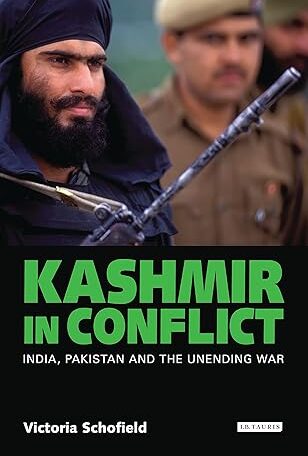
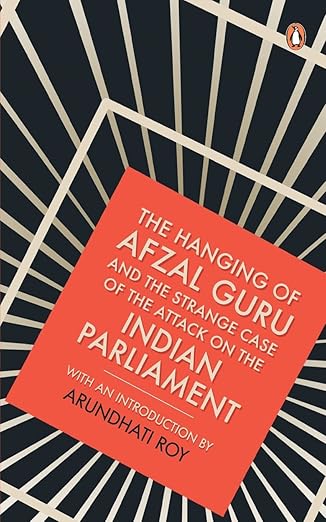
If The Many Faces of Kashmiri Nationalism interests you, these related reviews may help you explore Kashmir through history, politics, nationalism, and lived experience. Understanding Kashmir and Kashmiris gives a detailed political and historical account of the region, while Kashmir in Conflict explains the background of accession, plebiscite, and India-Pakistan tensions. Curfewed Night offers a personal account of growing up amid conflict, and The Hanging of Afzal Guru connects directly with the questions raised around Afzal Guru, justice, and state power.

About the reviewer

Manoj Payal
Manoj is an avid reader and a writer in progress, with interests spanning literature, history, politics, and the social sciences. His writing across book reviews, essays, articles, and poetry—explores ideas, society, and the human experience.He has spent over two decades working in the IT industry, a background that informs his analytical approach to reading and writing.