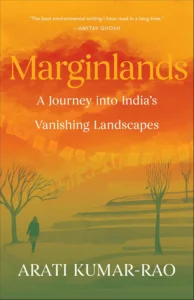
Marginlands
Arati Kumar-Rao’s Marginlands takes readers through India’s vanishing landscapes, showing how climate change, development, and ecological neglect affect ordinary people.
Arati Kumar-Rao’s Marginlands takes readers through India’s vanishing landscapes, showing how climate change, development, and ecological neglect affect ordinary people.
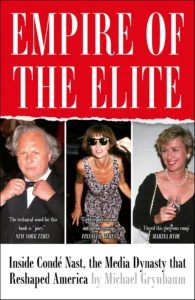
Michael M. Grynbaum’s Empire of the Elite tells the story of Condé Nast, the magazine empire behind Vogue, Vanity Fair, GQ, and The New Yorker.

Caroline Criado Perez’s Invisible Women exposes how gender data bias shapes everyday life, from healthcare and workplaces to transport, technology, public policy, and design.
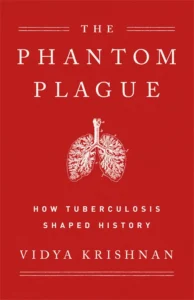
Vidya Krishnan’s Phantom Plague traces the history and present crisis of tuberculosis, showing how stigma, poverty, drug resistance, pharma patents, and public-health failure continue to shape the disease.
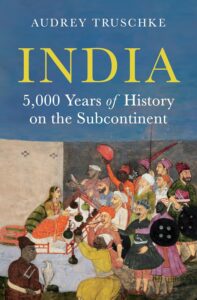
Audrey Truschke’s India: 5,000 Years of History on the Subcontinent offers a broad overview of Indian history, political myths, social reform, caste, women, and historical debates.
India: 5,000 Years of History on the Subcontinent Read More »

Maggots, Murder, and Men by Zakaria Erzinclioglu, exploring forensic entomology, real crimes, and the science of insects.
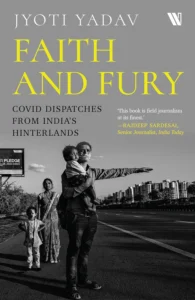
Jyoti Yadav’s Faith and Fury documents the human cost of Covid in India’s villages and small towns, focusing on migrant workers, rural distress, state failure, and lives left out of the national narrative.

Forensics – What Bugs, Burns, Prints, DNA, and More Tell Us About Crime by Val McDermid is a fascinating exploration of the science behind criminal investigations.
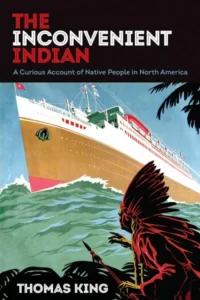
Thomas King’s The Inconvenient Indian examines Indigenous history in North America through colonialism, land dispossession, treaties, identity, and popular culture.
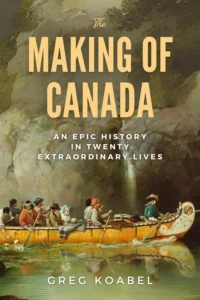
A concise and engaging review of The Making of Canada by Greg Koabel, tracing the country’s formation from early European exploration to Confederation through the lives of the individuals who shaped its history.