Books on Kashmir
Kashmir is often described as one of the most beautiful yet politically complex regions in the world. But beyond the headlines and news flashes lies a powerful body of literature that allow us to slow down and listen more carefully. They help us understand Kashmir not only as a political issue, but as a place of people, memory, history, grief, resistance, beauty, and everyday life.
This page brings together books on Kashmir that I have read and reviewed on Books Poetry and More. The list includes memoirs, reportage, political history, essays, and personal accounts by Kashmiri as well as non-Kashmiri writers. Some books focus on conflict and nationalism, some on memory and childhood, some on Kashmiri Pandits, women, state power, and the long history behind the region’s present reality.
These reviews are not meant to offer one final view of Kashmir. Instead, they are a reading path for anyone who wants to understand the region through different voices, arguments, experiences, and perspectives.
Page type: Curated reading list of book reviews
Main topic: Books on Kashmir
Includes: Kashmir history books, memoirs, political non-fiction, reportage, essays, and fiction
Key themes: Kashmir conflict, nationalism, identity, state power, Kashmiri Pandits, women’s lives, memory, resistance, and lived experiences
Writers covered: Kashmiri and non-Kashmiri authors writing about Kashmir from different perspectives
Best for: Readers looking for books on Kashmir politics, Kashmir memoirs, books about the Kashmir conflict, and personal accounts of life in the region
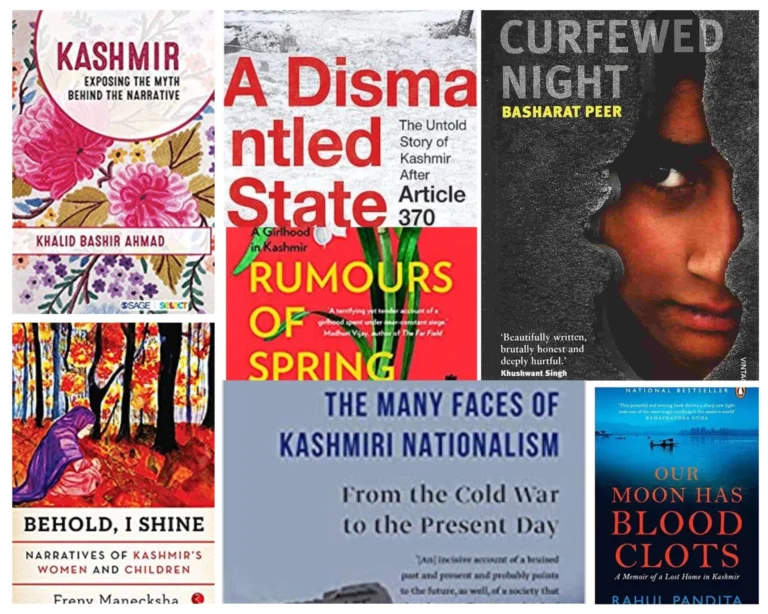
Good starting points: Understanding Kashmir & Kashmiris, Curfewed Night, Rumours of Spring, Our Moon Has Blood Clots, and Kashmir: Rage and Reason
Books on Kashmir Reviewed on This Site
Browse reviews of books on Kashmir covering history, politics, nationalism, memoir, reportage, conflict, identity, and lived experience.
Victoria Schofield’s Kashmir in Conflict is a well-researched book on the history of Kashmir, accession, India-Pakistan tensions, militancy, and the roots of the Kashmir conflict.
The Hanging of Afzal Guru examines the Parliament attack case, Afzal Guru’s trial and execution, and the questions raised around due process, justice, and Kashmir.
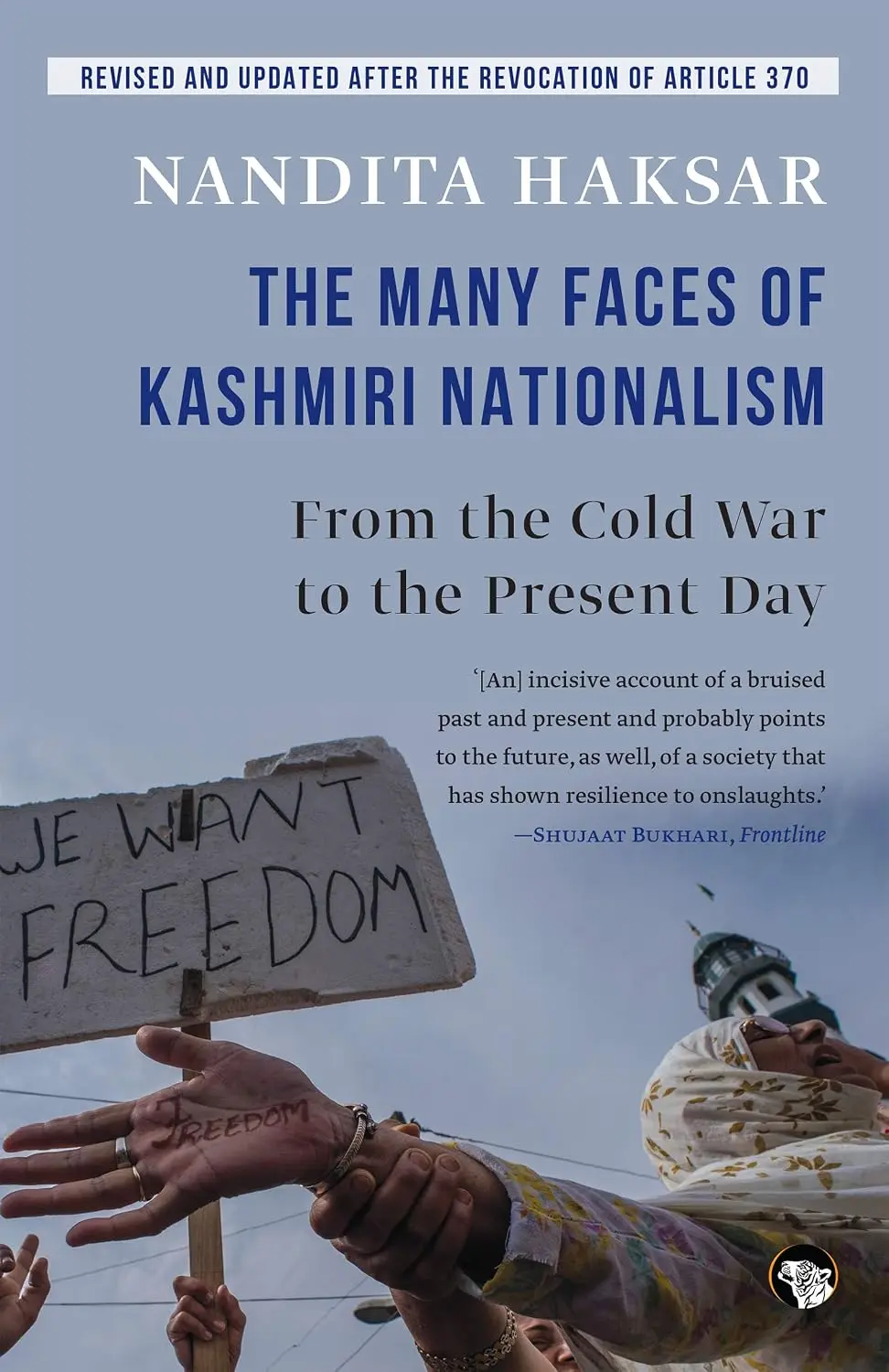
Nandita Haksar’s The Many Faces of Kashmiri Nationalism explores Kashmir’s modern political history through the lives of Sampat Prakash and Afzal Guru.
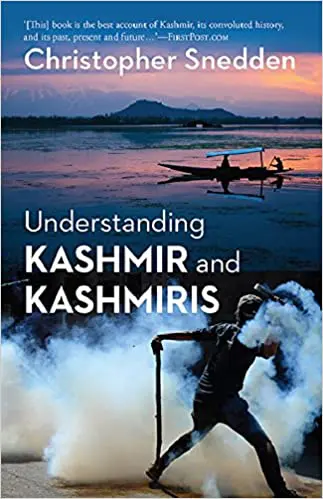
Christopher Snedden’s Understanding Kashmir and Kashmiris is a detailed political-history book that helps readers understand Kashmir, its people, borders, conflict, and disputed regions.
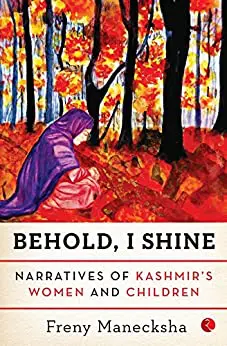
Freny Manecksha’s Behold, I Shine captures how conflict and militarization in Kashmir have affected women, children, families, public spaces, and everyday life.
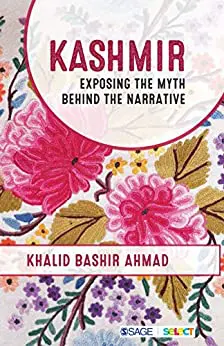
Kashmir – Exposing the Myth Behind the Narrative is a must-read for anyone who is interested to know more about Kashmir and its history.
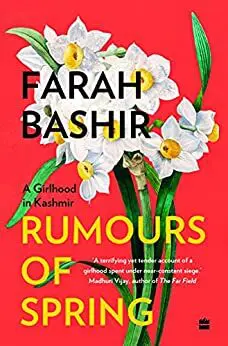
Farah Bashir’s Rumours of Spring is a moving memoir of growing up in Kashmir during the 1990s, capturing fear, memory, conflict, family life, and everyday survival.
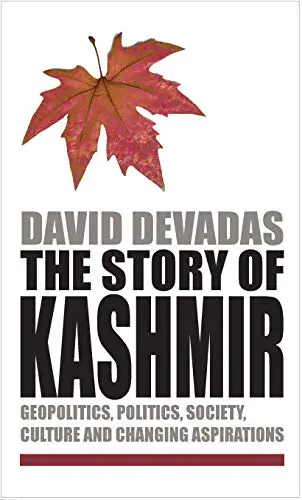
The Story of Kashmir – Geopolitics, Politics, Society, Culture and Changing Aspirations is the story of Kashmir starting from 1925, when Hari Singh was coronated as the king to as recent as 2016.
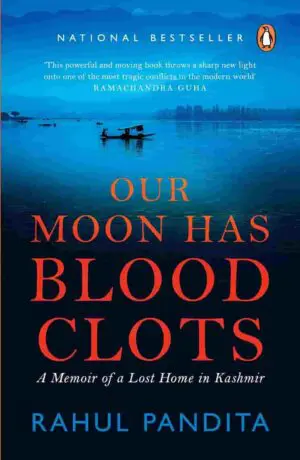
Rahul Pandita’s Our Moon Has Blood Clots is a powerful memoir of the Kashmiri Pandit exodus, capturing fear, loss, displacement, memory, and the pain of leaving home.
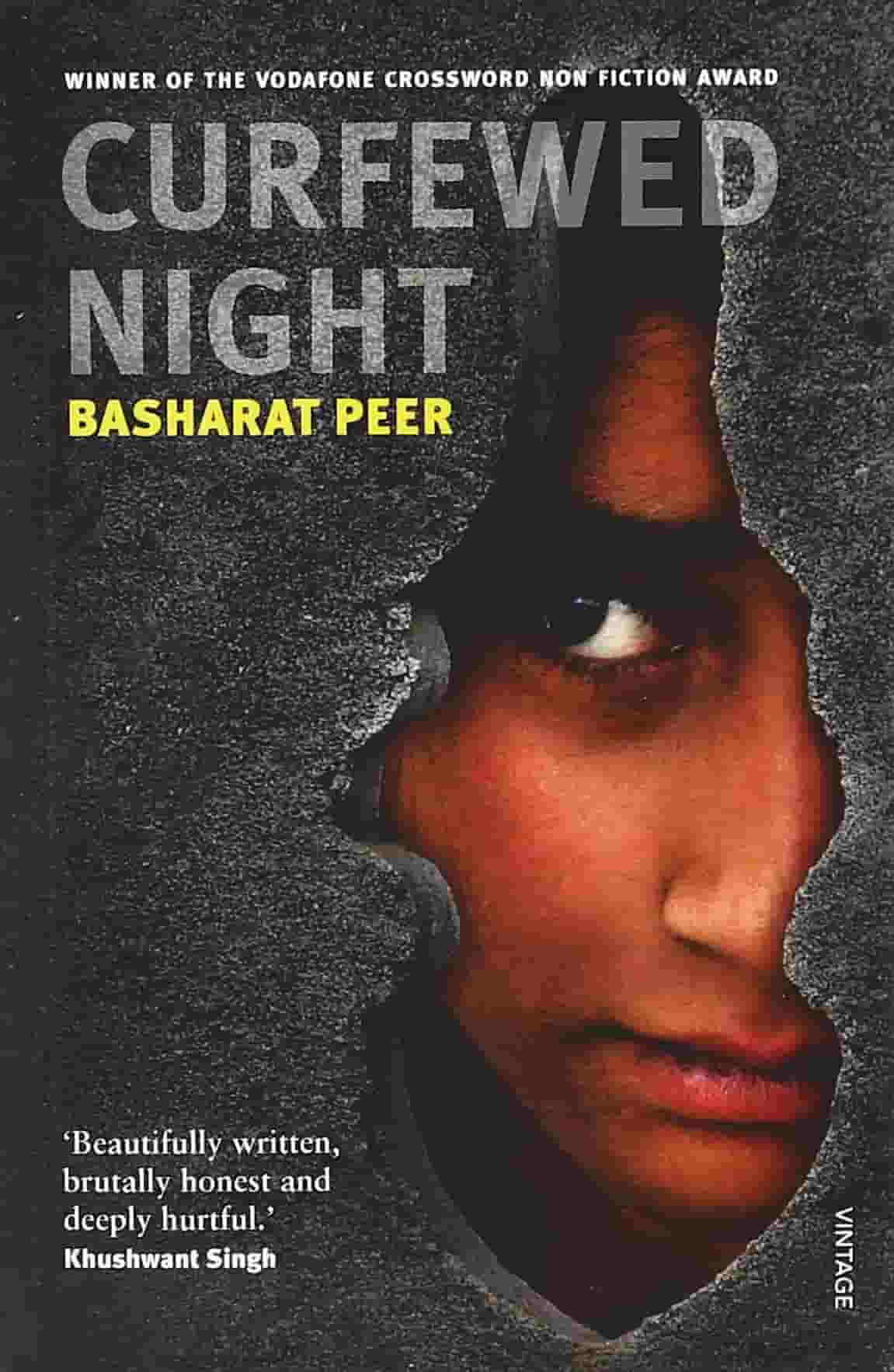
Curfewed Night by Basharat Peer is a powerful memoir and work of reportage about Kashmir, conflict, memory, violence, and the lived experience of ordinary Kashmiris.
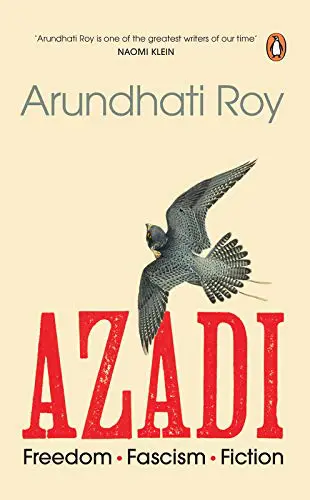
A collection of essays and speeches by Arundhati Roy in the last couple of years describing how India is moving towards totalitarianism and fascism.