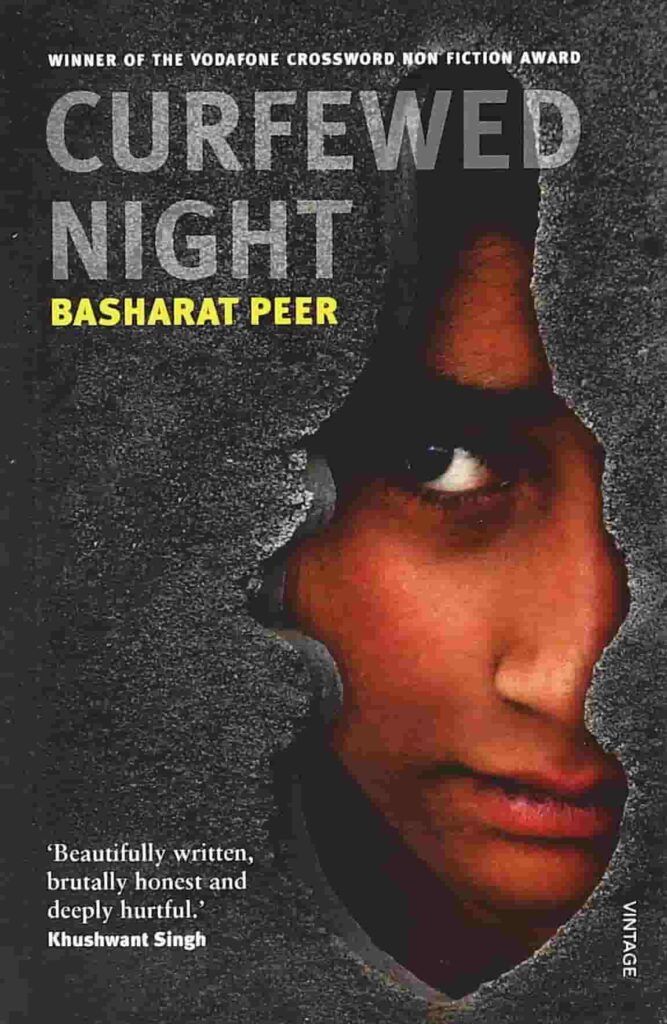
Curfewed Night by Basharat Peer is a powerful memoir and work of reportage about Kashmir, conflict, memory, violence, and the lived experience of ordinary Kashmiris. Covering the years from the late 1980s to the 2000s, the book traces how militancy, militarisation, fear, displacement, and political unrest changed everyday life in the valley. This review looks at how Peer combines personal memory, history, and journalism to present Kashmir beyond the mainstream narrative.
Book: Curfewed Night
Author: Basharat Peer
Form: Memoir / reportage / political non-fiction
Subject: Kashmir conflict and lived experiences from the late 1980s to the 2000s
Main themes: Kashmir, conflict, memory, militancy, militarisation, Kashmiri Pandits, Delhi, human-rights abuses, fear, identity, and home
Best for: Readers interested in Kashmir memoirs, books on Kashmir conflict, political non-fiction, reportage, and lived experiences from Kashmir
Why I Picked Curfewed Night
I wanted to know more about Kashmir, so I turned to books that explore the region in depth. There’s truly no better way to understand Kashmir than through the lived experiences of its people. Their narratives offer valuable insight into how ordinary Kashmiris perceive the rest of India, their views on the military presence, and the everyday struggles they endure. In search of a deeper understanding, I chose to read Curfewed Night.
About Curfewed Nights
Curfewed Night is a memoir of a Kashmiri youth documenting the period between 1987 and 2008. It gives an insider’s view into the complex world of Kashmir, the conflict, and how a whole generation has been affected by it.
It is the author’s personal memoir mixed with reportage and the history of Kashmir, giving readers a personal and tragic account of the Kashmir conflict.
Childhood, Kashmir, and the Beginning of Conflict
Curfewed Night starts with the author narrating about his village, where he was born, and the general atmosphere during his early childhood days.
The book takes readers through the period of the late 1980s, when the 1987 state election became a major turning point in Kashmir. The author writes about allegations of rigging in favour of Congress and the National Conference, and how this triggered protests across Kashmir. These protests were brutally suppressed, which led to growing anti-India feelings among Kashmiri youth.
Soon, these feelings took the form of pro-independence protests across Kashmir. To control these protests, security forces killed and tortured many Kashmiris, including separatist leaders. This further flared up the situation, alienating the people of Kashmir from India and prompting many young men to take up militancy.
Militancy, Militarisation, and Everyday Fear
The author captures how things started to change in the early 1990s. In his school, anti-India sentiments were peaking, and the seniors told younger students not to sing the national anthem even if the principal asked them to.
The empty chairs in the classrooms also tell us that many of their Kashmiri Pandit classmates had left Kashmir for good.
There was an increase in pro-independence protests and an increase in military presence in Kashmir. The rise of militancy, killings, torture of civilians by security forces, and the fear of militants — all these factors were too much for a common Kashmiri to get used to.
Peer recalls how they used to cheer for Pakistan in an India-Pakistan match and how there was a sense of sympathy and respect for the youth who picked up the gun. The slogans of “Aazadi,” bullets, bunkers, armoured vehicles, and tear gas all became part and parcel of Kashmiri day-to-day life.
Kashmir’s History, Delhi, and Kashmiri Identity
Curfewed Night also captures the history of Kashmir, its composite culture, and the various rulers who shaped the region over time. You will get to know some interesting and informative stories.
The author’s school and college days in Delhi also give readers a glimpse of what the rest of India thinks about Kashmiris and how they are treated outside Kashmir.
The book also writes about the attack on the Indian Parliament and how it affected the lives of Kashmiri Muslims living in Delhi. One such example is S. A. R. Geelani, a Delhi University lecturer who was arrested in connection with the Parliament attack and was later acquitted by the court.
Human Rights, Torture, and the Cost of Conflict
Curfewed Night captures the tragic and barbaric human-rights abuses in Kashmir. There are many such stories, and most of them remain unheard by the general population in the rest of India.
Many of these stories are known mainly to academics, human-rights activists, and people who closely follow Kashmir. But when they raise their voices against such abuses, they are often termed anti-national or anti-India, or accused of working on behalf of foreign forces. This becomes the easiest way to discredit anyone.
Basharat Peer interviewed many people in Kashmir who spent years in jail and torture centres. Some were former militants, while others were civilians picked up by security forces on suspicion of being militants.
The stories they narrate about these torture centres are spine-tingling and sometimes heartbreaking. More distressing is the fact that many of them were abandoned by the leaders who had encouraged young Kashmiris to take up guns.
Writing Style
Basharat Peer writes from a deeply personal place. His writing is not only about facts, history, and politics, but also about memory, fear, childhood, home, and loss.
What makes Curfewed Night powerful is that it combines personal memories, lived experiences, and journalistic reporting. The author effectively chronicles the transformations that unfolded in Kashmir between 1987 and 2008.
The book does not read like a distant political account. It feels close, personal, tragic, and honest because the author himself belongs to the place he is writing about.
Who Should Read Curfewed Night
Curfewed Night is an important book for readers who want to understand Kashmir beyond the mainstream narrative. It is especially useful for those interested in Kashmir, conflict, memoirs, reportage, militancy, military presence, human-rights abuses, and the lived experiences of ordinary people.
Readers who want a simple political explanation of Kashmir may find the book emotionally difficult, because it is not just about events. It is about people, memory, fear, and the cost of conflict on everyday life.
For anyone trying to understand Kashmir through the voices of Kashmiris themselves, this book is an essential read.
Our Verdict
Curfewed Night offers a compelling insider’s perspective on Kashmir and the ongoing conflict in the region. Drawing from his personal memories, lived experiences, and journalistic reporting, Basharat Peer effectively chronicles the transformations that unfolded in Kashmir between 1987 and 2008.
The memoir presents an honest and deeply moving account of Kashmir and its conflict, seamlessly woven into the author’s personal story. Though tragic, frustrating, and often heartbreaking, the book remains an essential read for anyone seeking to understand Kashmir beyond the mainstream narrative.
About The Author
Basharat Peer is an Indian journalist born in Kashmir and based in New York. He has been associated with various publications such as Rediff, Tehelka, Foreign Affairs, The Guardian, FT Magazine, The New Yorker, The National, and The Caravan as a journalist.
Related Readings
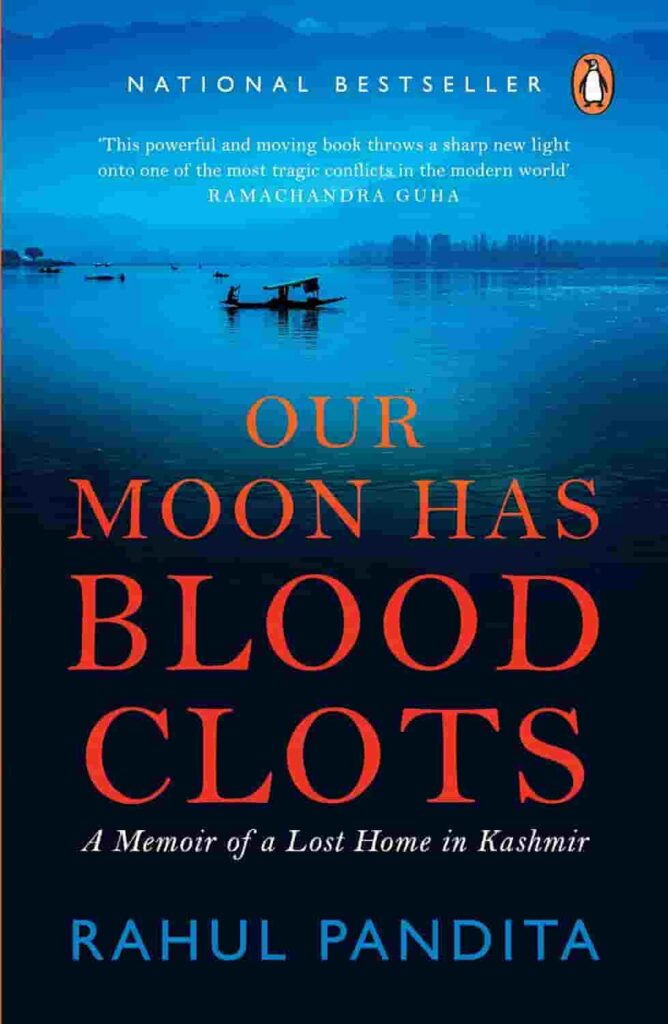
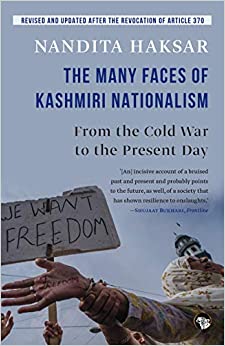
If Curfewed Night interests you, these related reviews may help you explore Kashmir through memory, history, politics, and lived experience. Rumours of Spring offers another personal account of growing up amid conflict in Kashmir, while Our Moon Has Blood Clots looks at the Kashmiri Pandit exodus. Readers who want more historical and political background may also find Understanding Kashmir & Kashmiris and The Many Faces of Kashmiri Nationalism useful.


About the reviewer
Manoj Payal
Manoj is an avid reader and a writer in progress, with interests spanning literature, history, politics, and the social sciences. His writing across book reviews, essays, articles, and poetry—explores ideas, society, and the human experience.He has spent over two decades working in the IT industry, a background that informs his analytical approach to reading and writing.