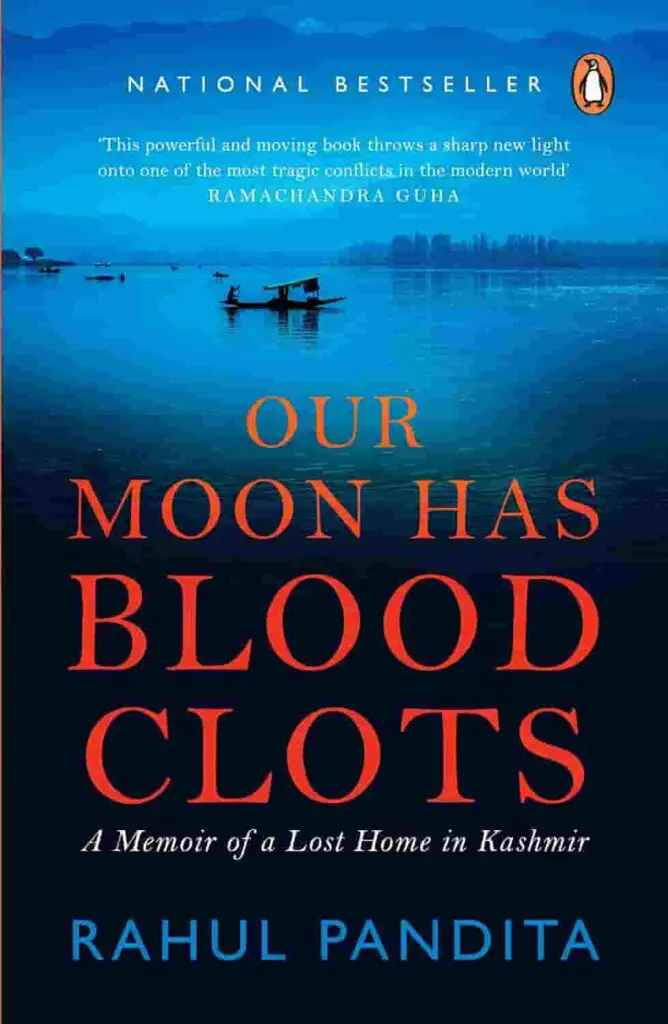
Our Moon Has Blood Clots is a very well-written memoir that details the tragic exodus of Kashmiri Pandits from the valley. Rahul Pandita writes with pain, honesty, and deep emotional force, making the reader feel the fear, loss, displacement, and longing that shaped his family’s story.
Book: Our Moon Has Blood Clots: The Exodus of the Kashmiri Pandits
Author: Rahul Pandita
Form: Memoir / political non-fiction
Subject: The Kashmiri Pandit exodus and the loss of home
Main themes: Kashmir, Kashmiri Pandits, displacement, memory, violence, exile, loss, identity, and longing for home
Best for: Readers interested in Kashmir, the Kashmiri Pandit exodus, memoirs, political history, displacement, and lived experiences of conflict
Why I Picked -Our Moon Has Blood Clots
The story of Kashmiri Pandits and their forced exodus from their homeland is often and widely discussed, especially in the present times. Though I have been hearing it since 2000, I had only limited knowledge about it, how it happened? why it happened? who were responsible for it? how the lives of many Kashmiri Pandits changed for the worst in a single night? To know more about this tragic conflict and its impact on the lives of the Kashmiri Pandits I decided to read Our Moon Has Blood Clots by Rahul Pandita.
About Our Moon Has Blood Clots
Our Moon Has Blood Clots- A Memoir of a Lost Home in Kashmir, as the name suggests is a memoir by Rahul Pandita a Kashmiri Pandit. The book starts with a brief history of Kashmir and Kashmiri Pandits, various rulers that ruled Kashmir and the contribution of Pandits in the literature and culture of Kashmir. Starting with his family history the book gives you a glimpse of Kashmiri Culture. It then takes you to the nineties when things started to change in Kashmir. A wave of freedom/separatist movement started in Kashmir, and it soon turned religious and Pandits were treated as outsiders and ultimately were driven out of Kashmir Valley.
Childhood Memories and the First Signs of Alienation
The Author takes you to his childhood in early 1980s and shares the happy memories of his time spent with his family in his ancestral home. And then how things started to change, although most of the Kashmiris never considered them as Indians, but it was subtle, there were no pro Azadi slogans or marches yet.
In one instance Rahul recalls the first ever international cricket match was played in Jammu and Kashmir in 1983, which he went to see with his cousin Ravi. As soon as the Indian openers came to the ground the – ‘stadium erupted with the deafening cries of Pakistan zindabad’ and it was shocking for both him and his cousin.
The author remembers that – ‘by 1986, forced blackout were the norm in the valley on Independence Day.’ The 1986 match in Sharjah, where Miadad hit Chetan Sharma for a last ball six. After the match it was like Diwali in Kashmir, people came out of their houses on to the streets chanting Allah ho Akbar.
The Night the Exodus Began
It was the night of January 19, 1990, when the exodus of the Kashmiri Pandits started. They were forced to flee their homes without taking anything, to an uncertain and dark future. The readers will get to know how the events unfolded? what was the role of the government in it? what did they do/did not do to stop it? And well before 1990 how things have started to change for Pandits in schools, in markets, in shops and in whole of the Kashmir valley. The account of all these events is detailed and personal.
The tragic exodus of Pandits from the valley and the hatred of Kashmiri Muslims for them, and that too from someone who had been neighbours for years is heartbreaking. Rahul tell us the unjust that happened to the Kashmiri Pandits and all you feel is lump in your throat.
Throughout 1990, Pandits are picked up selectively and put to death. They are killed because Kashmir needs to be cleansed of them. And if the one chosen is not to be found, a proxy suffices. It is all about numbers. It is all about how many are killed. It is known that if one among them is killed, a thousand will flee.
Life After Exodus - In Jammu
After the exodus the life in the Jammu’s relief camp, a life of a refugee in their own country, with no fault of theirs. One can feel the pain, the agony, the embarrassment, and the anger of the Pandits living in pitiful conditions in relief camps or in rented accommodations in Jammu. The sheer hypocrisy came to display once the people of Jammu realized that the Pandits are here to stay, they are not going back.
Rahul Says, “This is mainstream India for us. Our own Hindu brothers and sisters who took out procession every Basant Panchami to safeguard Hindu rights were turning into our oppressors as well.”
Our Blood Has Moon Clots throws light on the systematic harassment and killings of Kashmiri Pandits, which made them flee their own homes in Kashmir. It also tells us how the life was not easy for the Pandits after they migrated to Jammu and other parts of the country. Most importantly it also tells the readers that despite the extreme odds they worked hard and achieved success. One line from the author stayed with me. In response to a provocation by a General in a TV debate he said – “General, I have lost my home, not my humanity.”
Who should read - our moon has blood clots
Our Moon Has Blood Clots is useful for readers who want to understand the Kashmiri Pandit exodus through a personal and emotional account. It is especially important for those interested in Kashmir, displacement, memory, violence, exile, and the loss of home. Readers looking for books on Kashmir beyond political arguments will find this memoir powerful, painful, and necessary.
Our Verdict
Our Moon Has Blood Clots is a very well-written memoir that details the tragic exodus of Kashmiri Pandits from the valley. Rahul Pandita writes with pain, honesty, and deep emotional force, making the reader feel the fear, loss, displacement, and longing that shaped his family’s story.
For anyone trying to understand the Kashmiri Pandit exodus through a personal account, this is an important and deeply moving read.
About the Author
Rahul Pandita is a journalist and an author based in Delhi. He has authored the best-selling Hello, Bastar: The Untold Story of India’s Maoist Movement and co-authored the critically-acclaimed The Absent State. He has extensively reported from war zones that include Iraq and Sri Lanka. In 2010, he received the International Red Cross award for conflict reporting.
Related Readings
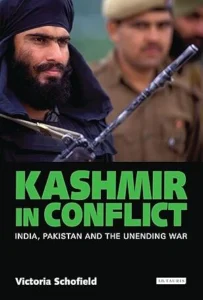
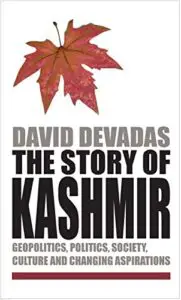
If you liked reading Our Moon Has Blood Clots, these related reviews will help you books on Kashmir. To know more about the Kashmir and understand the genesis of the conflict between India and Pakistan one can read Kashmir In Conflict by Victoria Schofield. Another book by The Story of Kashmir will gives the readers insight about the geopolitics, society and culture.
About the reviewer
Manoj Payal
Manoj is an avid reader and a writer in progress, with interests spanning literature, history, politics, and the social sciences. His writing across book reviews, essays, articles, and poetry—explores ideas, society, and the human experience.He has spent over two decades working in the IT industry, a background that informs his analytical approach to reading and writing.