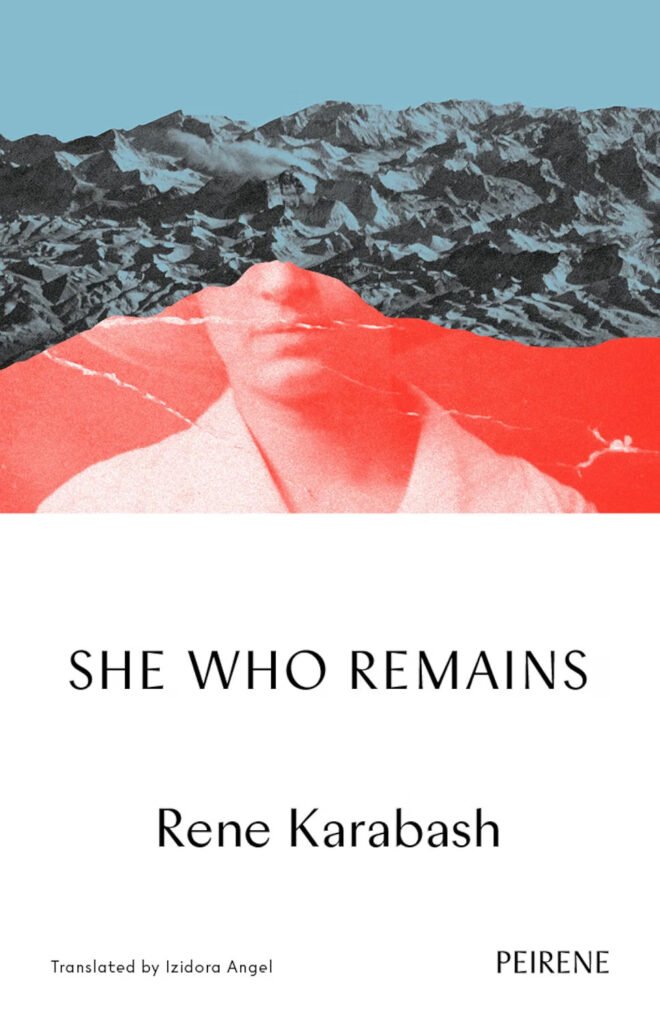
She Who Remains by Rene Karabash is the story of a woman and her family living in an Albanian town. Set in the early 21st century, the book explores the lives of a patriarchal Albanian community that still follows an archaic set of rules known as the Kanun of Lekë Dukagjini. The story unfolds through the life of Bekija, who takes a vow of chastity so that she can begin a new life as a man and become the patriarch of her family.
Book: She Who Remains
Author: Rene Karabash
Translator: Izidora Angel
Original language: Bulgarian
Genre: Literary fiction
Setting: Rural Albania / the Accursed Mountains
English edition: 2026
Recognition: Shortlisted for the International Booker Prize 2026
Key themes: Love, patriarchy, gender, family honour, sacrifice, tradition and the Kanun
Why I Picked Who She Remains
While browsing for my next read, I came across She Who Remains and was immediately intrigued by its title. The fact that it was shortlisted for the Booker Prize added to my interest. Kindle gives you the option of reading a sample before buying a book, and just a couple of pages were enough to draw me in. I became curious not only about the story and its subject, but also about the region in which it is set. I had never read a book by a Bulgarian writer, nor one set in the Balkans, which made it all the more interesting. And so, I decided to pick She Who Remains as my next read.
About who She Remains
She Who Remains is the story of Bekija, a woman living in a patriarchal community in modern-day Albania. Some communities there still follow traditional laws documented in the age-old code known as the Kanun of Lekë Dukagjini. The code is associated with Lekë Dukagjini, a 15th-century Albanian nobleman, and governed the tribes of northern Albania for centuries.
These laws, known as the Kanun, are deeply patriarchal and, although they have no place in Albania’s modern legal system, are still followed by some communities. Traditions such as blood feuds—where killings may arise from disputes over property, land, honour or other conflicts—continue to cast a shadow over these communities. At the same time, customs such as Besa—a pledge of honour to keep one’s word—and a strong tradition of hospitality also form part of this social code.
Through an unnamed journalist who interviews Bekija, we learn that she is among the last surviving sworn virgins—a woman who takes a lifelong vow of chastity and assumes the social role of a man under the ancient laws of the Kanun. A day before her marriage, Bekija tells her father that she wants to become a sworn virgin. He readily accepts her decision, as becoming a sworn virgin is regarded as a matter of pride. In this deeply patriarchal society, where a woman is accorded a lower status than a man, a sworn virgin is granted the social status and privileges of a man.
As the story progresses, we learn that by calling off the marriage, Bekija and her father have unwittingly set in motion a blood feud with the groom’s family, making her father a marked man. He is eventually killed by the groom’s family; her mother dies soon afterwards, and her brother runs away from home. Bekija is left to live alone in the family home in the village. Why she chooses to become a sworn virgin, however, is something the novel gradually reveals and ties together towards the end.
At its heart, She Who Remains is essentially a love story—one shaped by patriarchy, honour, sacrifice and the rigid laws of the Kanun. It is love that binds the story together and carries it forward, while along the way we witness how some archaic traditions continue to influence certain communities in Albania even today. Reading the book was an eye-opening experience for me. There was so much I learned from it, and it left me thinking about how much there still is that we simply do not know about the world.
Who Should Read - She Who Remains
She Who Remains will appeal to readers who enjoy literary fiction that explores complex themes of love, patriarchy, gender, family honour and the weight of tradition. It is particularly suited to those interested in stories set within unfamiliar cultures and in understanding how social customs such as the Kanun shape individual lives and choices. Karabash’s writing is lyrical and often symbolic, using vivid imagery and metaphors to express emotions that are not always spoken directly. There were several expressions that stayed with me. They acquire a deeper meaning when read in the context of the story, but even on their own, I found them beautiful:
Habit is the most treacherous thing in this world.
And the simple image of Sále’s greasy pockets leads into something much deeper:
When a mother stays silent, she knows; when a mother knows, she washes.
Then there is this stark expression that, in just a few words, captures one of the central tensions of the novel:
Home is where they clip your wings.
This lyrical and layered style makes She Who Remains more than a straightforward story. It asks the reader to pause, read between the lines and reflect on what remains unspoken. If you enjoy emotionally intense fiction where love, loss, memory and tradition are conveyed as much through imagery and symbolism as through events, this is a book worth reading.
About the Author
Rene Karabash (b. Irena Ivanova) is a Bulgarian poet, writer, screenwriter, actor and playwright. Her debut novel, She Who Remains, was awarded the 2019 Elias Canetti Prize, Bulgaria’s most prestigious literary award. It has been translated into over a dozen languages, and a film, adapted by the author, is forthcoming. Karabash is also the author of the collection Omar’s Letters to His Future Wife and is working on her second novel.
About the Translator
Izidora Angel is a Bulgarian-born memoirist, essayist and literary translator based in Chicago. Izidora’s translation of She Who Remains by Rene Karabash received a PEN/Heim Translation Fund Grant and the Gulf Coast Prize and is forthcoming from Sandorf Passage and Peirene Press in early 2026. She is at work on a memoir.
Related Readings


About the reviewer
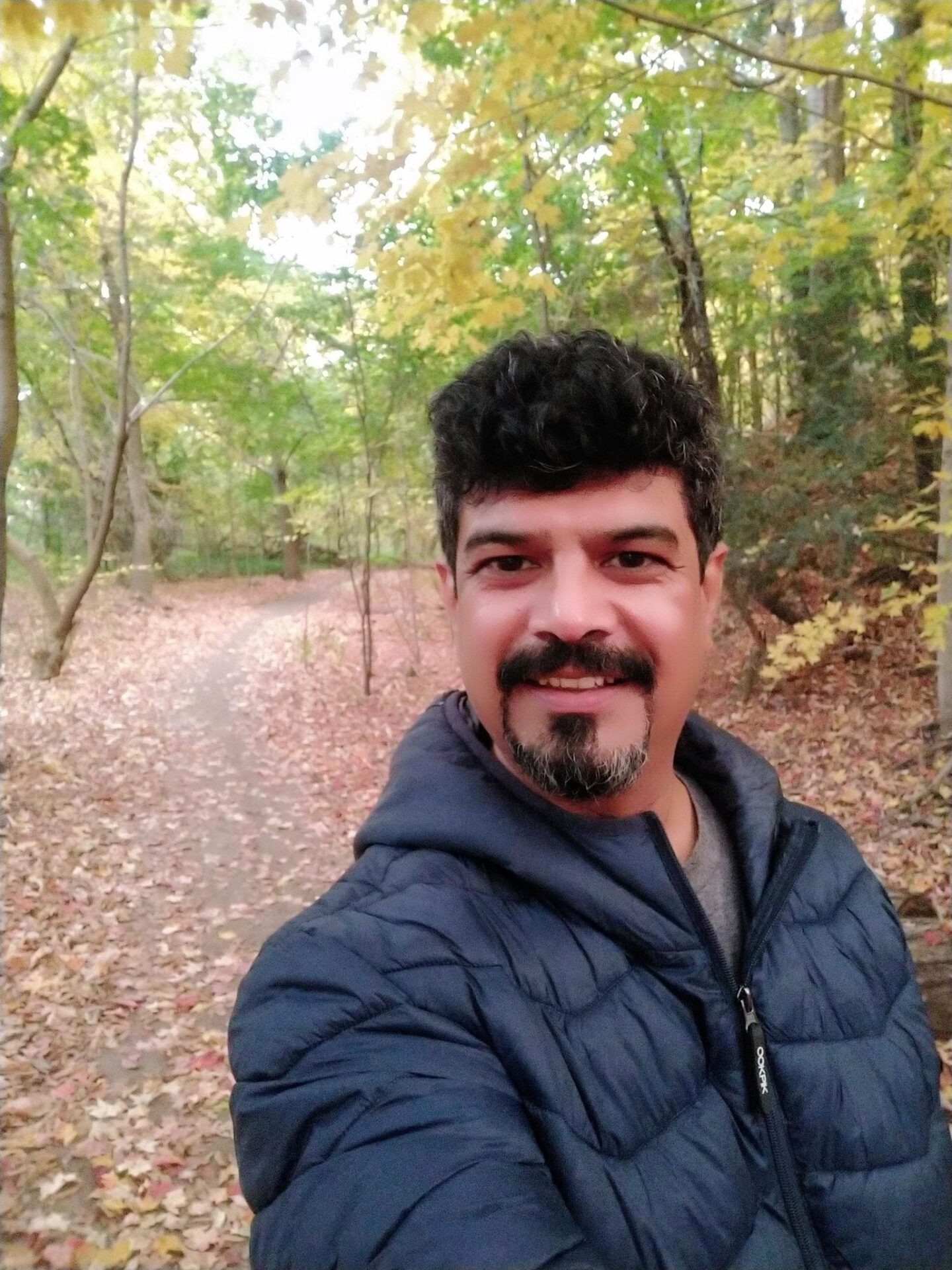
Manoj Payal
Manoj is an avid reader and a writer in progress, with interests spanning literature, history, politics, and the social sciences. His writing across book reviews, essays, articles, and poetry—explores ideas, society, and the human experience.He has spent over two decades working in the IT industry, a background that informs his analytical approach to reading and writing.