
In Nine Rupees an Hour, Aparna Karthikeyan captures the fading rhythms of rural Tamil Nadu, stories of artisans, farmers, and skilled workers whose livelihoods are slowly disappearing. Through intimate portraits and unflinching honesty, this book is both a tribute to resilience and a reminder of the cultural and human cost of neglecting traditional work.
Book: Nine Rupees an Hour: Disappearing Livelihoods of Tamil Nadu
Author: Aparna Karthikeyan
Form: Reportage / Indian non-fiction
Subject: Rural Tamil Nadu, labour, caste, and disappearing livelihoods
Main themes: artisans, agricultural workers, caste, dignity, traditional skills, cultural memory, rural economy, and inequality
Best for: Readers interested in rural India, labour, caste, social justice, disappearing crafts, and Indian women writers in English
Why I Picked This Book
The beautiful cover picture with a thought-provoking title made me pick this book up for a read. The title “Nine Rupees an Hour” made me pause and think, could this really be? The book is written by Aparna Karthikeyan, who is an Independent Journalist. I further checked the credentials of the author and found that she works with various media houses, including PARI – People’s Archive of Rural India, founded by P. Sainath, a well-respected journalist. As I have long valued P. Sainath’s journalism, the association made me curious to read the book. So, I picked up the book, took the plunge, and I’m glad I did.
What "Nine Rupees an Hour" Covers
In Nine Rupees an Hour, journalist and storyteller Aparna Karthikeyan takes us into the heart of rural Tamil Nadu, documenting the lives and labours that modern India is quietly leaving behind. This is not just a book about work. It is about identity, dignity, and the slow erasure of cultural memory. Through intimate portraits, Karthikeyan brings to light the voices of artisans, agricultural workers, and skilled labourers whose craft, once essential, is now undervalued and sometimes paid as little as nine rupees an hour.
Work, Dignity, and Disappearing Livelihoods
The book introduces us to lives shaped by generational skills: silambam masters, palm-leaf weavers, handloom artisans, and agricultural labourers. These are people who carry the knowledge of centuries, yet now struggle to survive in a market that prizes speed and mass production over heritage and craft.
“We work with our hands, but it is our hearts that are tired,” — an artisan in the book.
Behind these personal stories are the realities of caste, which continue to shape opportunity, dignity, and livelihood in rural India. Readers interested in the wider social context may also find this list of books that explore caste in India. Karthikeyan’s narrative makes it impossible to ignore the fact that a wage of nine rupees an hour is not only unsustainable but also symbolic of a deeper economic neglect. The book also made me think of Why the Poor Don’t Kill Us, another powerful read on inequality and the social systems that allow hardship to become normalised. Livelihoods are not just about earning an income. They carry history, pride, and a sense of belonging. When such work disappears, entire cultural lineages vanish with it.
One of the book’s strengths is that it treats livelihood as more than employment. The work described here is tied to family knowledge, local culture, and the confidence that comes from being skilled at something. When such work is pushed aside, the loss is not only financial. It changes the relationship between people, place, and memory. That is what makes the book feel larger than a collection of reports about wages.
Writing Style and What Stayed With Me
Karthikeyan writes with the rigour of a reporter and the sensitivity of a storyteller. Her storytelling is clear yet lyrical, carrying both the need and urgency of documenting the truth from the ground and the tenderness of listening. The truth emerges not from data but from lived experiences, spoken in the unfiltered voices of the people themselves.
I also appreciated that the book does not appear to romanticise rural life. It shows the beauty and skill involved in traditional work, but it does not ignore the exhaustion, insecurity, and social inequalities that surround it. This balance gives the book its force. It asks the reader to look beyond the finished product—the mat, the cloth, or the harvest—and consider the labour and lives that make it possible.
Our Verdict
At a time when India is racing toward technological modernity, Nine Rupees an Hour asks an uncomfortable but necessary question: What do we lose when we stop valuing the human hands that built our past?
A must-read for readers who care about social justice, labour rights, and cultural heritage, this book is a quiet but powerful call to pay attention. It is a window into rural Tamil Nadu, a chance to witness, remember, and speak for those who deserve far more than nine rupees an hour.
About the Author
Aparna Karthikeyan is a storyteller and an independent journalist. She volunteers for the People’s Archive of Rural India (PARI) and has written for them, as well as for The Hindu, The Caravan, The Wire, Scroll, and other publications on culture, books, and livelihoods. She has authored books for children and published short fiction.
Related Readings
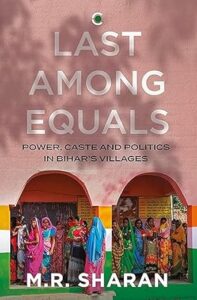
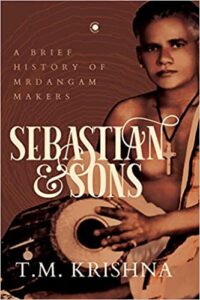
If this book interests you, these related reviews may help you explore caste, labour, poverty, and rural India further.


About the reviewer

Manoj Payal
Manoj is an avid reader and a writer in progress, with interests spanning literature, history, politics, and the social sciences. His writing across book reviews, essays, articles, and poetry—explores ideas, society, and the human experience.He has spent over two decades working in the IT industry, a background that informs his analytical approach to reading and writing.