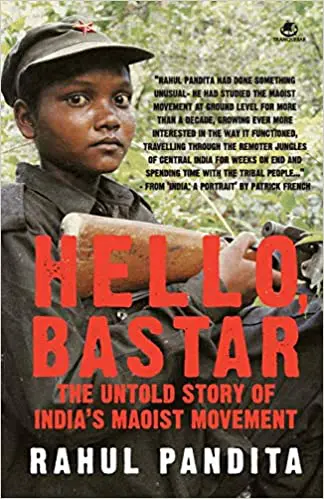
Hello Bastar: The Untold Story of India’s Maoist Movement by Rahul Pandita is a journalistic account of the Naxalite-Maoist insurgency in Bastar and other parts of central India. Based on reporting from Maoist-affected areas and conversations with tribal villagers, Maoist cadres, leaders and sympathisers, the book attempts to understand the movement from the ground level. It looks at the history of Naxalism, the conditions faced by Adivasi communities, the functioning of the Maoist movement and the circumstances that lead some people to support or join an armed insurgency against the Indian state.
Book: Hello Bastar: The Untold Story of India’s Maoist Movement
Author: Rahul Pandita
Genre: Non-fiction / Political Journalism
Subject: Naxalite-Maoist movement in India
Focus: Bastar, Adivasi communities, Maoist insurgency, state response and inequality
Setting: Primarily Bastar and Maoist-affected regions of central India
Best for: Readers interested in Indian politics, Naxalism, Adivasi issues, insurgency and reportage
Why I Picked Hello Bastar
I always wanted to know more about the stories from inside the Indian Naxalite-Maoist movement. News reports in print and electronic media often focus on the government and security perspective, but I wanted to understand the other side as well. Why do some Adivasis pick up a gun? What makes them become enemies of the state? Why do sections of the local population support the Maoists? And what makes people from educated and affluent urban families sympathise with, or even join, the movement?
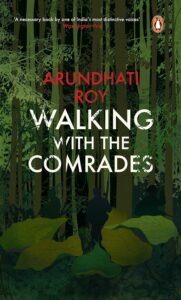
I had earlier read Arundhati Roy’s Walking with the Comrades, which gave me a fair understanding of the subject, but I wanted to read more. That led me to Hello Bastar by Rahul Pandita, whose reporting from the grassroots offered another opportunity to understand the Naxalite-Maoist movement from close quarters.
About Hello Bastar
Hello Bastar is based on Rahul Pandita’s on-the-ground reporting on the Naxalite-Maoist movement, particularly in Bastar. The book brings together interviews and real-life accounts of people affected by the conflict, including Adivasi villagers, those who joined the Maoists, leaders of the movement and its sympathisers.
Pandita provides a brief history of the Naxalite movement, its spread across different parts of India and the attempts to establish a guerrilla base in Bastar. He writes about the challenges faced by Adivasi villagers living in Maoist-affected regions as well as the lives and hardships of Maoist guerrillas. The book also tries to explain how the movement functions, what its leaders hope to achieve and why people from urban and relatively privileged backgrounds sometimes support the Maoist cause.
At times, the book may appear left-leaning in its treatment of the subject. But Hello Bastar is primarily concerned with Bastar and the Maoist movement, and much of what we encounter therefore comes from the perspective of people directly connected with that world—ordinary villagers, Maoist cadres, leaders and sympathisers. Through their accounts, we get a disturbing picture of the deprivation, displacement and oppression experienced by sections of the tribal population.
This does not make the conflict simple or provide easy answers. Instead, one of the book’s strengths is that it encourages the reader to think about the conditions in which an insurgency takes root and why attempts to suppress it can sometimes deepen the grievances that contributed to it in the first place.
The afterword by Kobad Ghandy adds another dimension to the book by questioning conventional measures of India’s economic progress. He looks at GDP, consumption and inequality to argue that averages can conceal considerable disparities between different sections of society. This connects the Maoist conflict with a broader question running through the book: who actually benefits from development?
Writing Style
Rahul Pandita writes Hello Bastar in the style of reportage, combining his own observations with interviews, personal stories and the history of the Maoist movement. The language is accessible even when the subject itself is complicated. What makes the book particularly engaging is its use of individual experiences to explain a conflict that we usually encounter through statistics, political statements and reports of violence.
The book does, however, demand some interest in politics and contemporary Indian history. Readers looking for a completely detached academic history of Naxalism may find the author’s perspective noticeable, but those interested in understanding the people living within the conflict will find much to think about.
Who Should Read Hello Bastar
Hello Bastar is particularly suited to readers interested in Indian politics, Adivasi issues, inequality, insurgency and the history of the Naxalite-Maoist movement. It is also worth reading for those who, like me, have encountered Naxalism largely through news reports and want to understand what the conflict looks like from the ground.
This is not a book that provides a simple answer to whether the Maoists, the state or any other participant in the conflict is right or wrong. Its value lies in taking the reader into a world that most of us know very little about and introducing us to the circumstances in which ordinary people find themselves caught between the state, an armed movement and their own struggle for survival. If you enjoy political non-fiction and reportage that makes you question what you already know about an issue, Hello Bastar is worth reading.
About the author
Rahul Pandita is a journalist who is known for his reporting from war-torn areas. He is the author of Hello, Bastar: The Untold Story of India’s Maoist Movement; Our Moon has Blood Clots: A Memoir of a Lost Home in Kashmir; The Lover Boy of Bahawalpur: How the Pulwama Case was Cracked; and is the co-author of The Absent State: Insurgency as an Excuse for Misgovernance. He received the International Red Cross Award for conflict reporting in 2010.
Related Readings
About the reviewer
Manoj Payal
Manoj is an avid reader and a writer in progress, with interests spanning literature, history, politics, and the social sciences. His writing across book reviews, essays, articles, and poetry—explores ideas, society, and the human experience.He has spent over two decades working in the IT industry, a background that informs his analytical approach to reading and writing.