
Phantom Plague
Vidya Krishnan’s Phantom Plague traces the history and present crisis of tuberculosis, showing how stigma, poverty, drug resistance, pharma patents, and public-health failure continue to shape the disease.
Vidya Krishnan’s Phantom Plague traces the history and present crisis of tuberculosis, showing how stigma, poverty, drug resistance, pharma patents, and public-health failure continue to shape the disease.
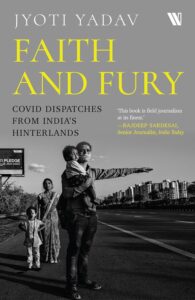
Jyoti Yadav’s Faith and Fury documents the human cost of Covid in India’s villages and small towns, focusing on migrant workers, rural distress, state failure, and lives left out of the national narrative.
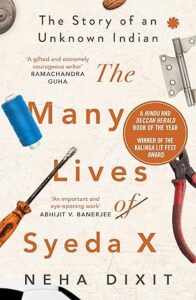
Neha Dixit’s The Many Lives of Syeda X tells the story of an invisible woman worker whose life reveals the realities of migration, informal labour, poverty, gender, and survival in India.
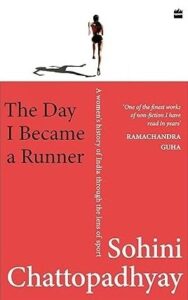
A fine book capturing the stories of nine extraordinary women athletes of India. It takes the readers through the trials and tribulations, success and failures, celebrations and heartbreaks of these women athletes.

Kavitha Rao’s Lady Doctors tells an interesting and insightful account of the six women who pioneered and paved the path for Indian girls to become a doctor.
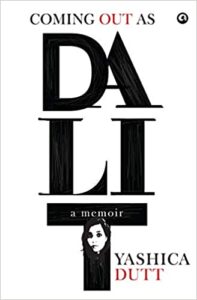
Yashica Dutt’s Coming Out as Dalit is a personal and political memoir about caste, shame, identity, and what it means to stop hiding one’s Dalit identity.

Farah Bashir’s Rumours of Spring is a moving memoir of growing up in Kashmir during the 1990s, capturing fear, memory, conflict, family life, and everyday survival.

Suchitra Vijayan’s Midnight’s Borders takes readers through India’s borderlands, showing how borders shape ordinary lives, memory, violence, citizenship, and belonging.

A book to understand the genesis of Islam and how it came to India and what it means to be a Muslim in India.
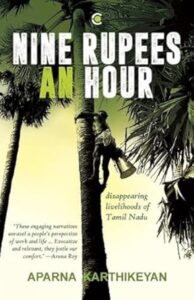
Aparna Karthikeyan’s Nine Rupees an Hour documents rural Tamil Nadu’s artisans, farmers, and skilled workers, showing how caste, labour, dignity, and cultural memory are tied to disappearing livelihoods.