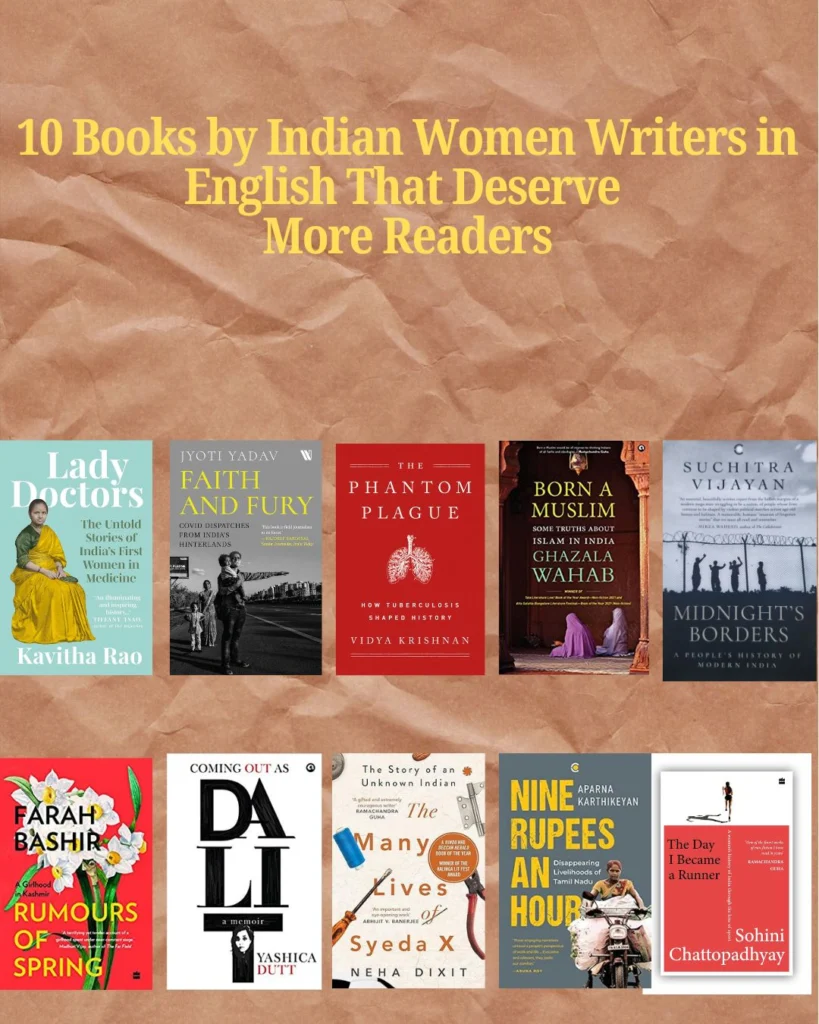
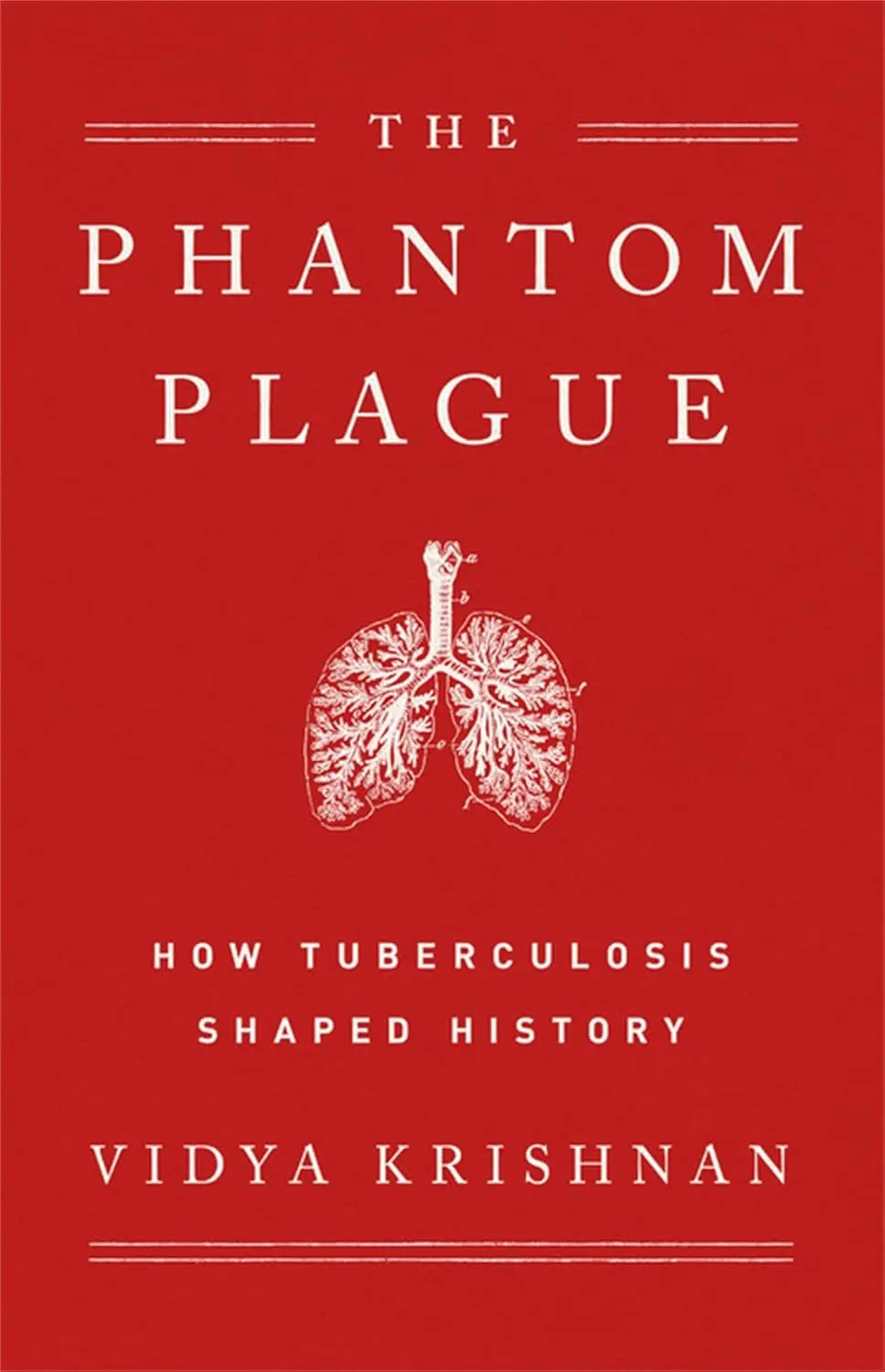
Phantom Plague by Vidya Krishnan
Vidya Krishnan’s Phantom Plague is a powerful book on tuberculosis, public health, inequality, and the failure of systems that are supposed to protect the most vulnerable. The book moves between history, science, medicine, and social justice, showing how TB continues to haunt societies even when it is treated as an old or forgotten disease.
Vidya Krishnan is a journalist who has written extensively on public health and medical science. Her writing makes a complex subject accessible without reducing its seriousness.
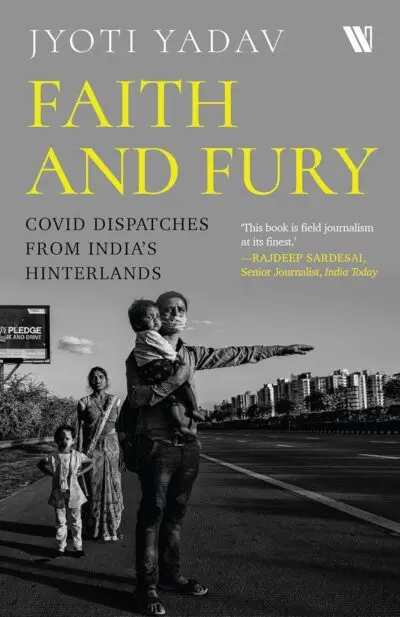
Faith and Fury by Jyoti Yadav
Faith and Fury documents the Covid pandemic as it unfolded in India’s hinterlands, especially in villages and small towns of Uttar Pradesh and Bihar. It brings forward the stories of migrant workers, rural families, doctors, officials, and ordinary people whose suffering was often missing from the national conversation.
Jyoti Yadav is a journalist known for ground reporting. Her work pays attention to people who are usually spoken about in statistics, but rarely heard in their own voices.
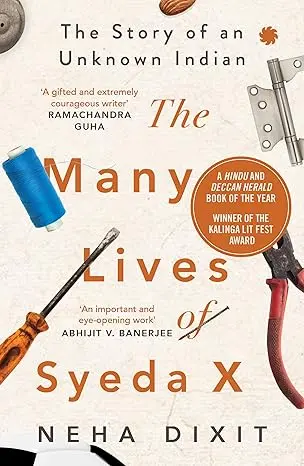
The Many Lives of Syeda X by Neha Dixit
Neha Dixit’s The Many Lives of Syeda X follows the life of an invisible worker in Delhi who does dozens of jobs while remaining unseen by the city around her. It is a book about labour, survival, unpaid dues, migration, gender, and the quiet violence of precarity.
Neha Dixit is a journalist whose work focuses on politics, labour, gender, and social injustice. Her writing brings attention to lives that remain outside the comfort of middle-class visibility.
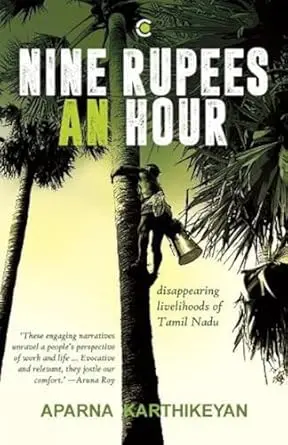
Nine Rupees an Hour by Aparna Karthikeyan
Aparna Karthikeyan’s Nine Rupees an Hour documents disappearing livelihoods in rural Tamil Nadu through the lives of artisans, farmers, and skilled workers. The book is about labour, caste, dignity, cultural memory, and the slow disappearance of traditional work.
Aparna Karthikeyan is a journalist and writer whose work focuses on rural India and the lives of people whose skills and labour are often undervalued. This is an important book, especially for urban readers who want to understand rural India beyond nostalgia.
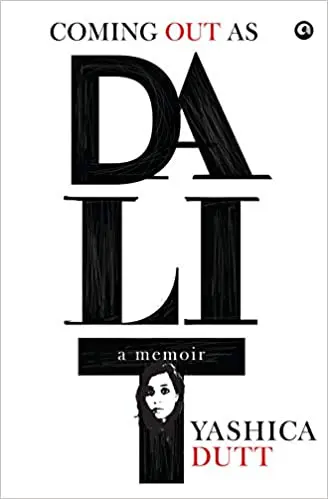
Coming Out as Dalit by Yashica Dutt
Coming Out as Dalit is a personal and political memoir about caste, shame, identity, and assertion. Yashica Dutt writes about what it means to hide one’s caste, what it means to claim it, and how caste continues to shape education, opportunity, dignity, and social life in modern India.
Yashica Dutt is a journalist and writer who writes on caste, identity, gender, and culture. Her memoir is important because it connects the personal with the political in a direct and accessible way.
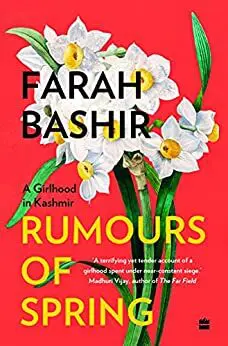
Rumours of Spring by Farah Bashir
Farah Bashir’s Rumours of Spring is a memoir of growing up in Kashmir during one of the most volatile periods in the Valley. It captures fear, memory, militarisation, childhood, and the everyday life of conflict through a deeply personal lens.
Farah Bashir was born and raised in Kashmir. Her memoir is important because it does not explain conflict only through politics; it shows how violence enters homes, schools, relationships, and memory.
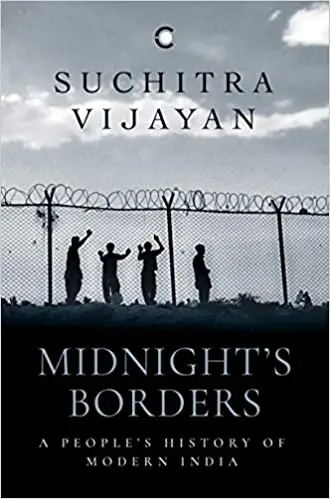
Midnight’s Borders by Suchitra Vijayan
Midnight’s Borders takes readers through India’s borderlands and the lives of people who inhabit those regions. The book combines travel, reportage, history, photography, and political reflection to show how borders are not just lines on a map, but lived realities.
Suchitra Vijayan is a writer, lawyer, photographer, and political essayist. Her work explores citizenship, state power, borders, violence, and belonging.
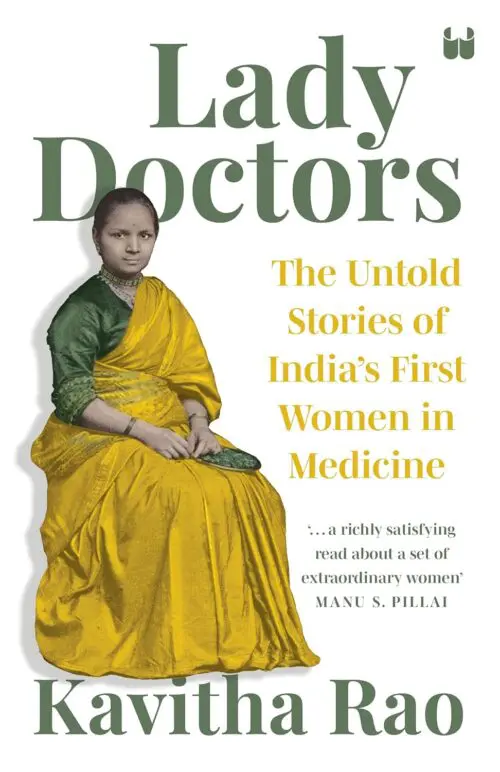
Lady Doctors by Kavitha Rao
Kavitha Rao’s Lady Doctors tells the stories of India’s first women doctors and the resistance they faced while trying to study, practise, and claim a place in public life. The book is about medicine, women’s education, patriarchy, social reform, and the courage of women who opened doors for others.
Kavitha Rao is a journalist and writer. Through this book, she brings attention to women whose contributions deserve to be remembered more widely.
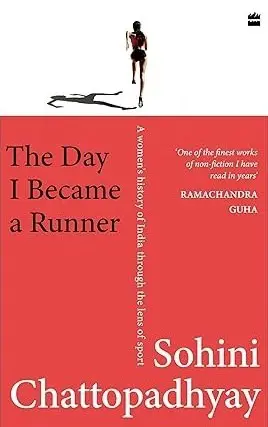
The Day I Became a Runner by Sohini Chattopadhyay
The Day I Became a Runner tells the stories of Indian women athletes and the many struggles behind their achievements. The book is not only about sport; it is also about gender, freedom, public space, discipline, social pressure, and the body as a site of resistance.
Sohini Chattopadhyay is a journalist and writer. Her book helps readers see women’s sport not merely as achievement, but as a fight for space, dignity, and selfhood.
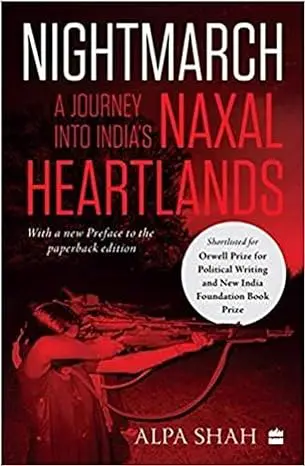
Nightmarch by Alpa Shah
Alpa Shah’s Nightmarch takes readers into India’s Naxal heartlands and explores the lives of Adivasis, guerrillas, security forces, and ordinary people caught in a long and complex conflict. The book looks at inequality, state violence, land, forests, ideology, and the human cost of insurgency.
Alpa Shah is an anthropologist whose work is based on years of living among Adivasi communities in eastern India. Her writing brings fieldwork, empathy, and political complexity together.
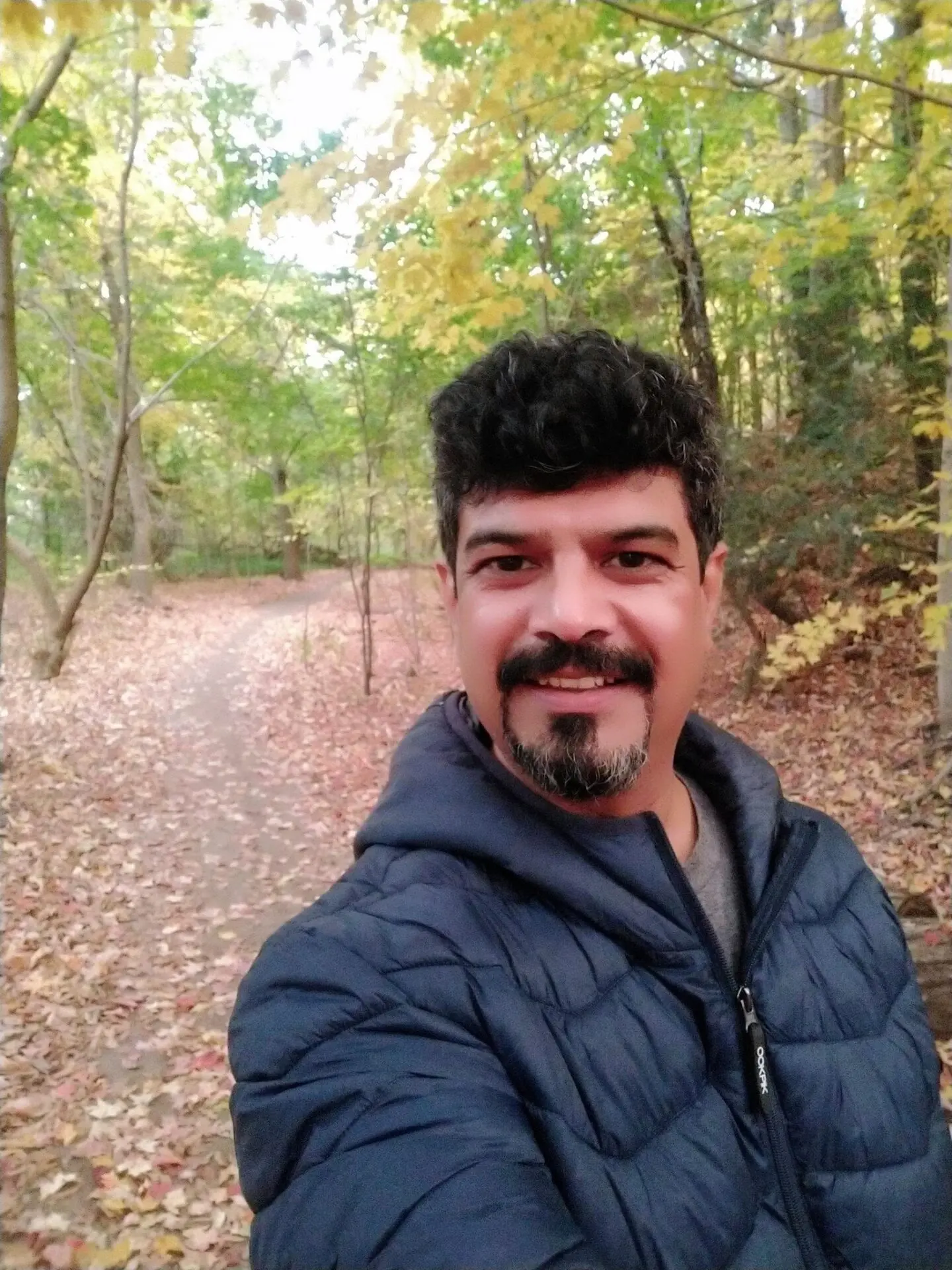
Manoj Payal
Manoj is an avid reader and a writer in progress, with interests spanning literature, history, politics, and the social sciences. His writing across book reviews, essays, articles, and poetry—explores ideas, society, and the human experience.He has spent over two decades working in the IT industry, a background that informs his analytical approach to reading and writing.