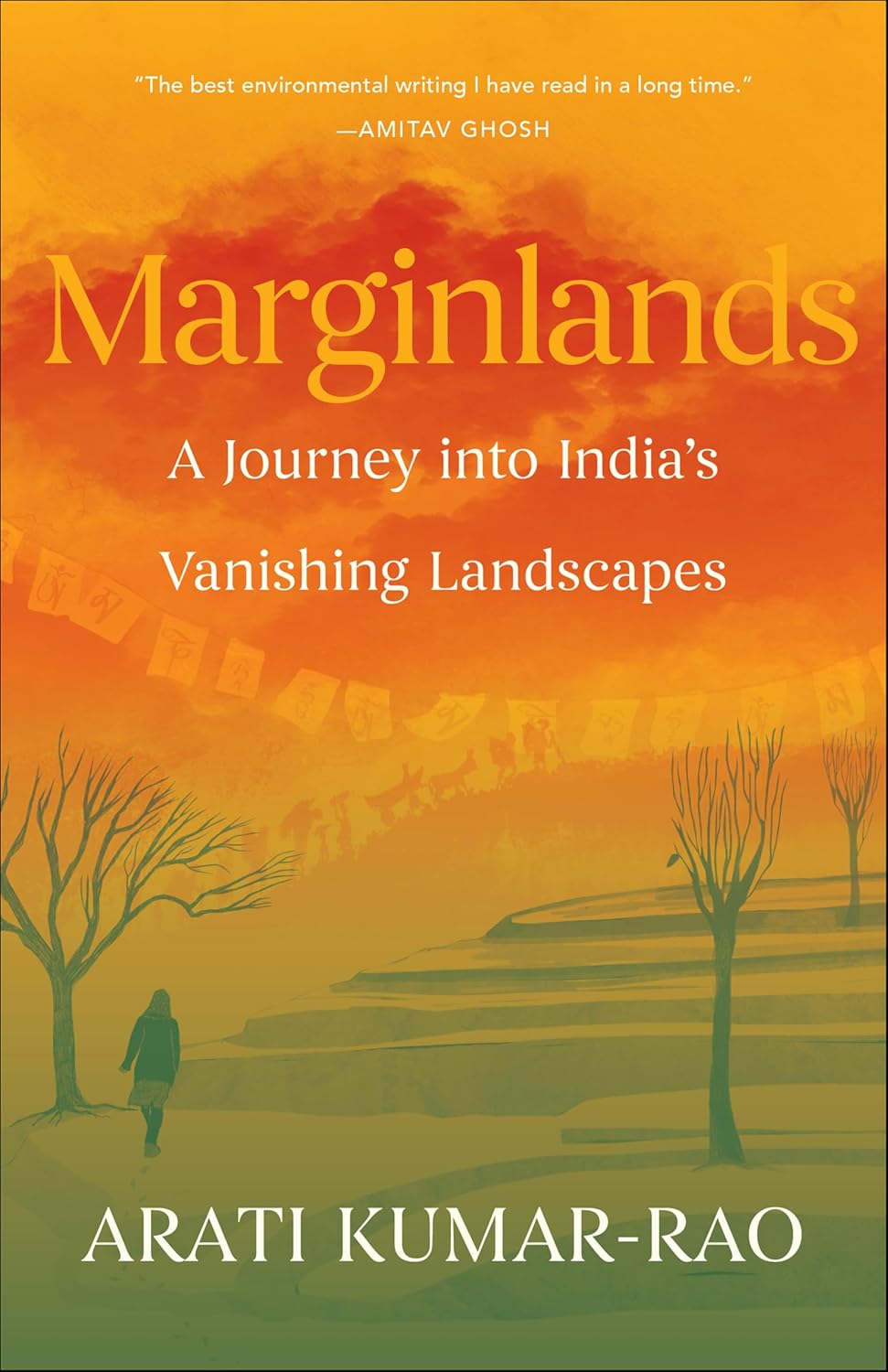
Arati Kumar-Rao’s Marginlands takes readers through India’s vanishing landscapes, showing how climate change, development, and ecological neglect affect ordinary people.
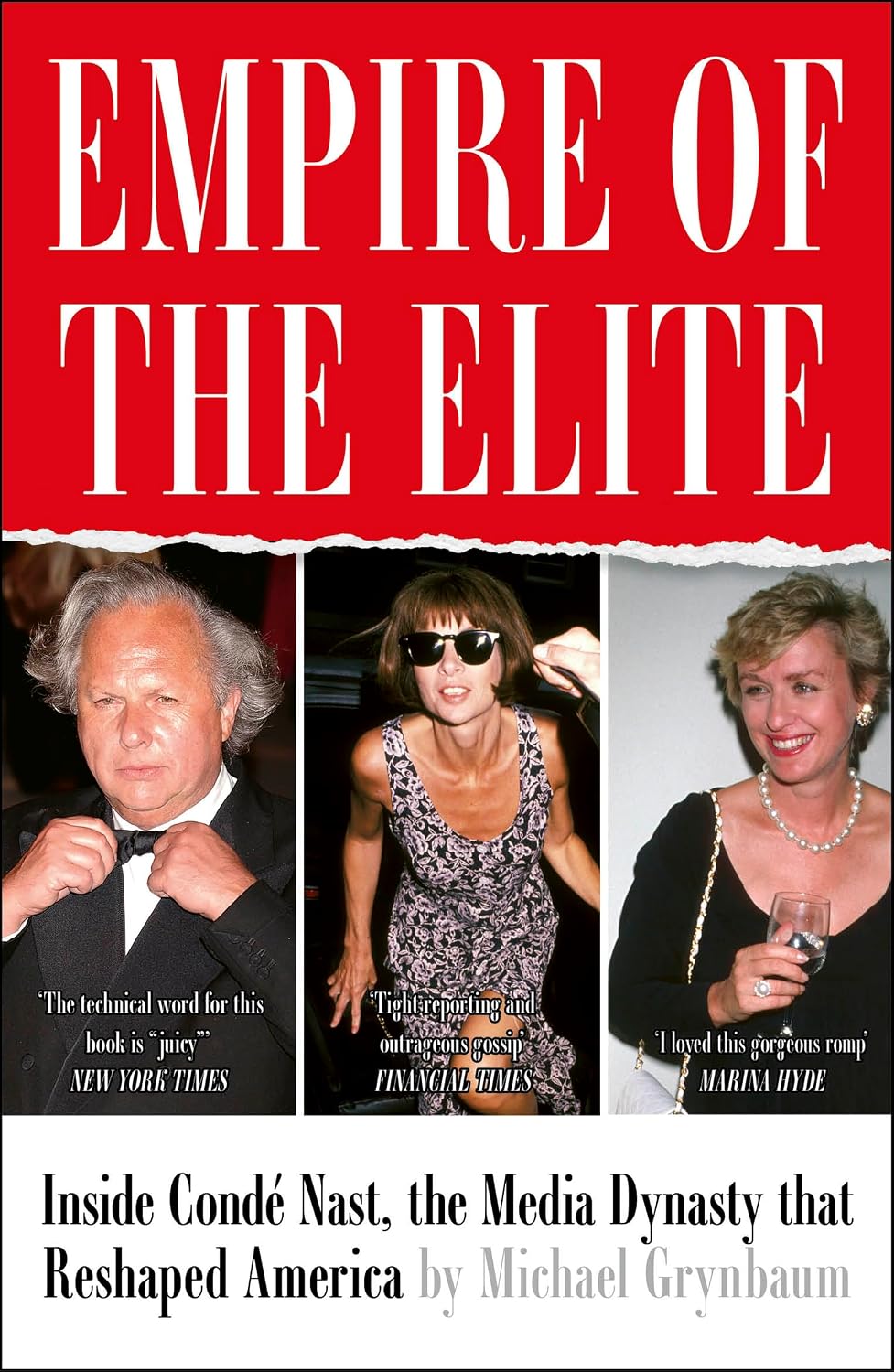
Michael M. Grynbaum’s Empire of the Elite tells the story of Condé Nast, the magazine empire behind Vogue, Vanity Fair, GQ, and The New Yorker.
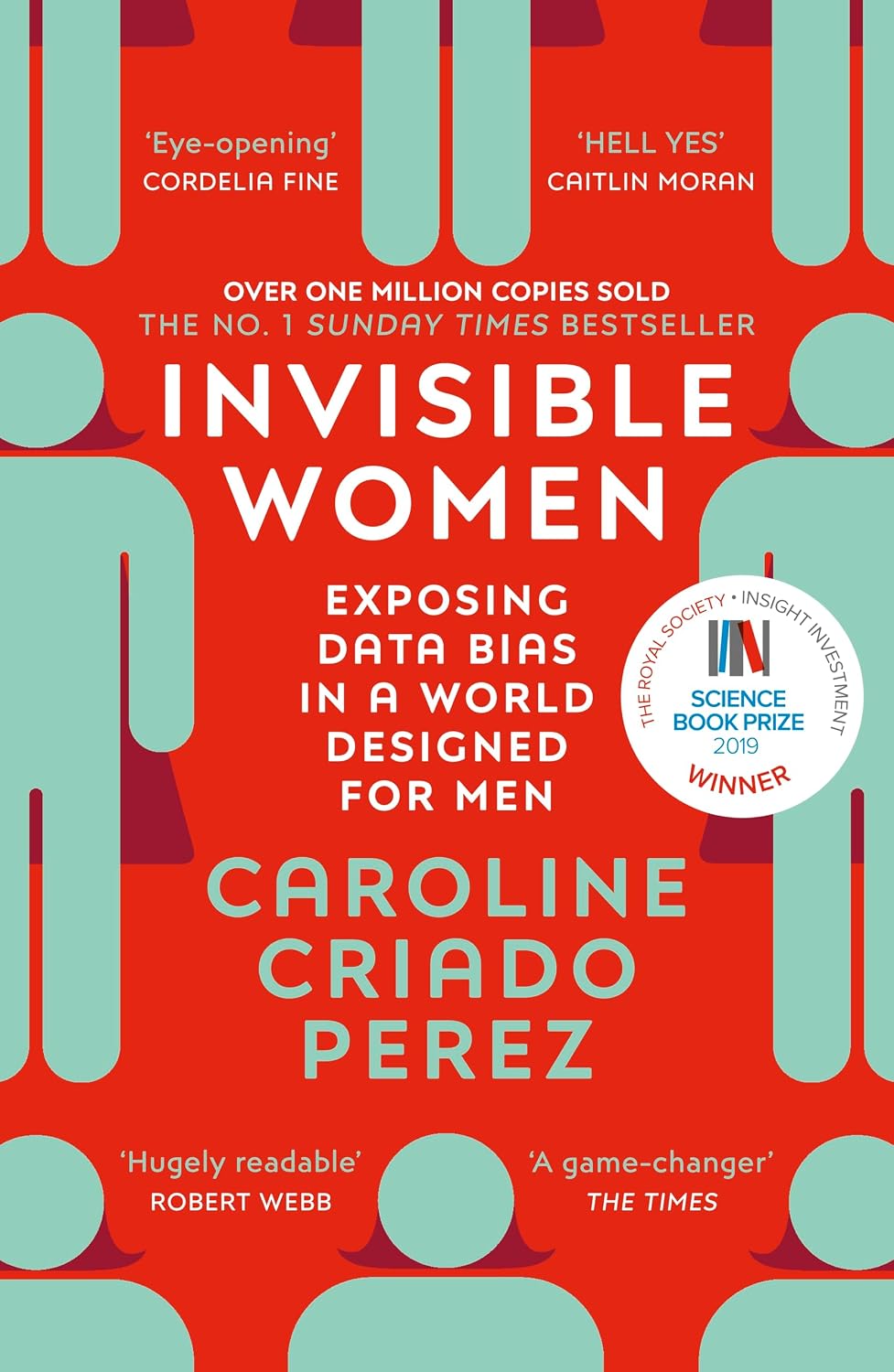
Caroline Criado Perez’s Invisible Women exposes how gender data bias shapes everyday life, from healthcare and workplaces to transport, technology, public policy, and design.
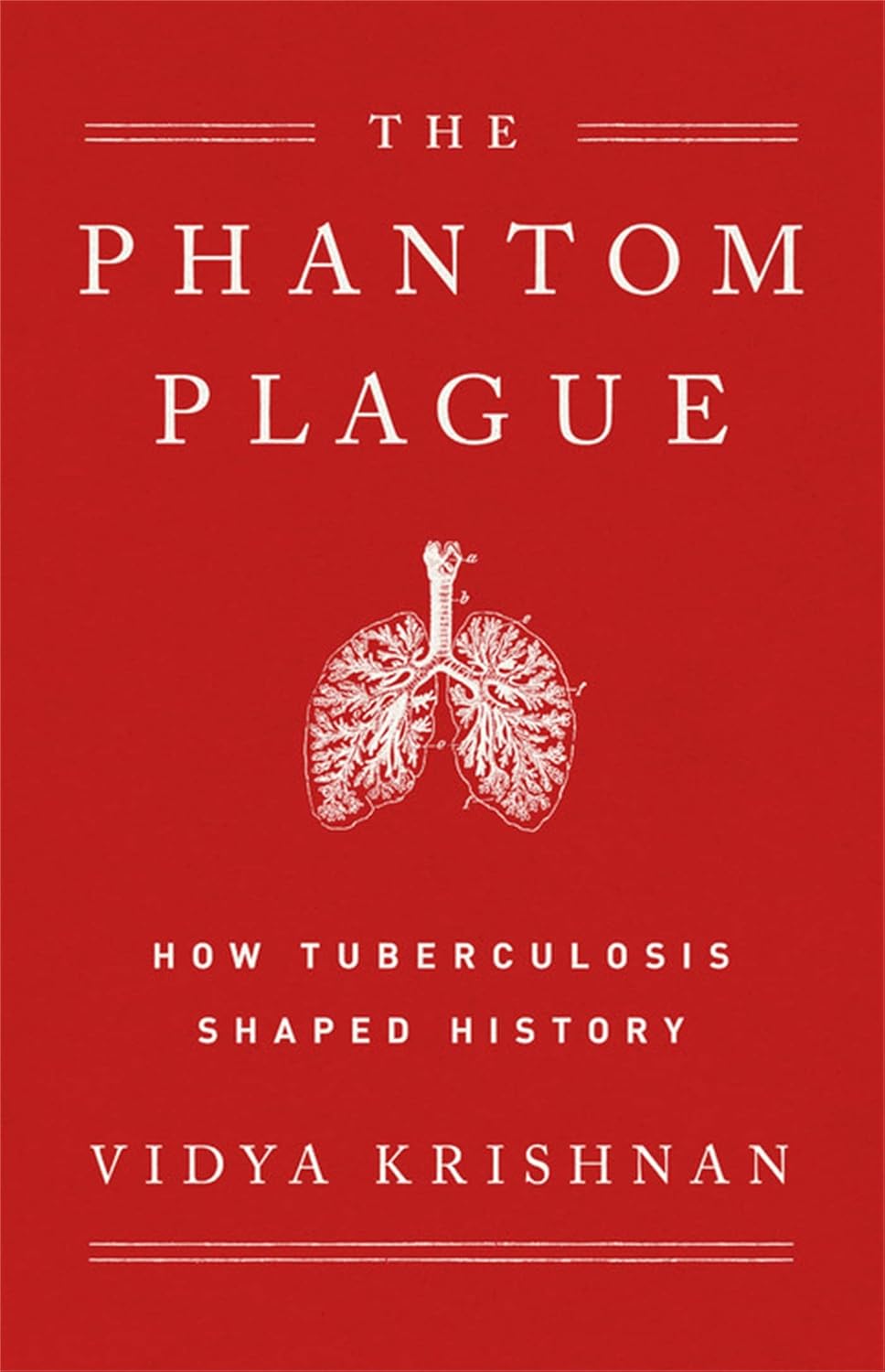
Vidya Krishnan’s Phantom Plague traces the history and present crisis of tuberculosis, showing how stigma, poverty, drug resistance, pharma patents, and public-health failure continue to shape the disease.
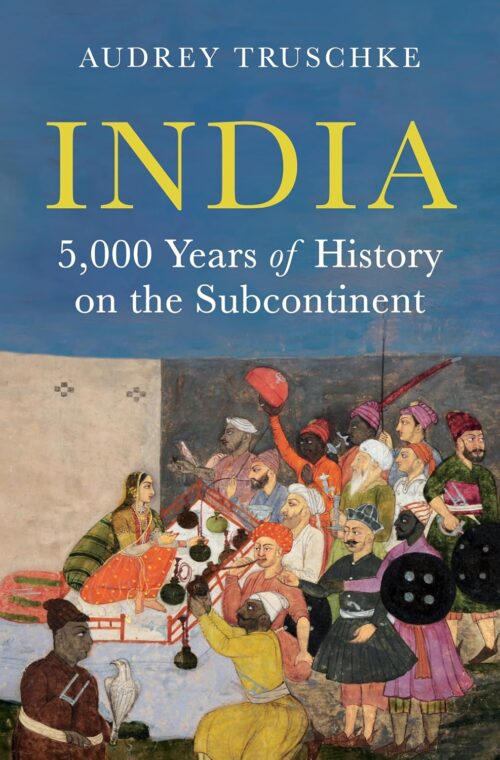
Audrey Truschke’s India: 5,000 Years of History on the Subcontinent offers a broad overview of Indian history, political myths, social reform, caste, women, and historical debates.

Maggots, Murder, and Men by Zakaria Erzinclioglu, exploring forensic entomology, real crimes, and the science of insects.
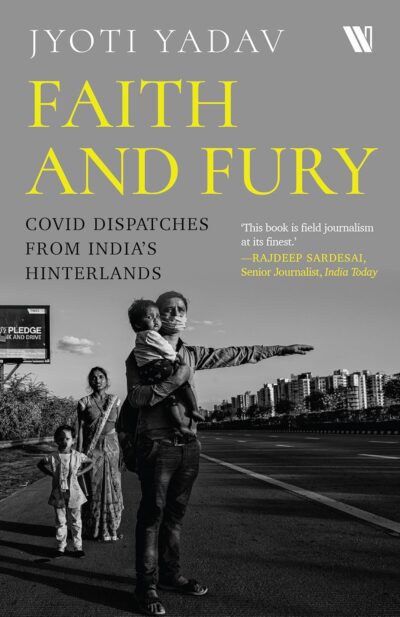
Jyoti Yadav’s Faith and Fury documents the human cost of Covid in India’s villages and small towns, focusing on migrant workers, rural distress, state failure, and lives left out of the national narrative.

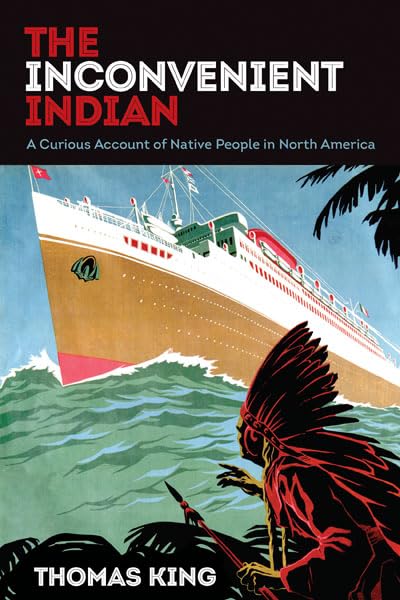
Thomas King’s The Inconvenient Indian examines Indigenous history in North America through colonialism, land dispossession, treaties, identity, and popular culture.
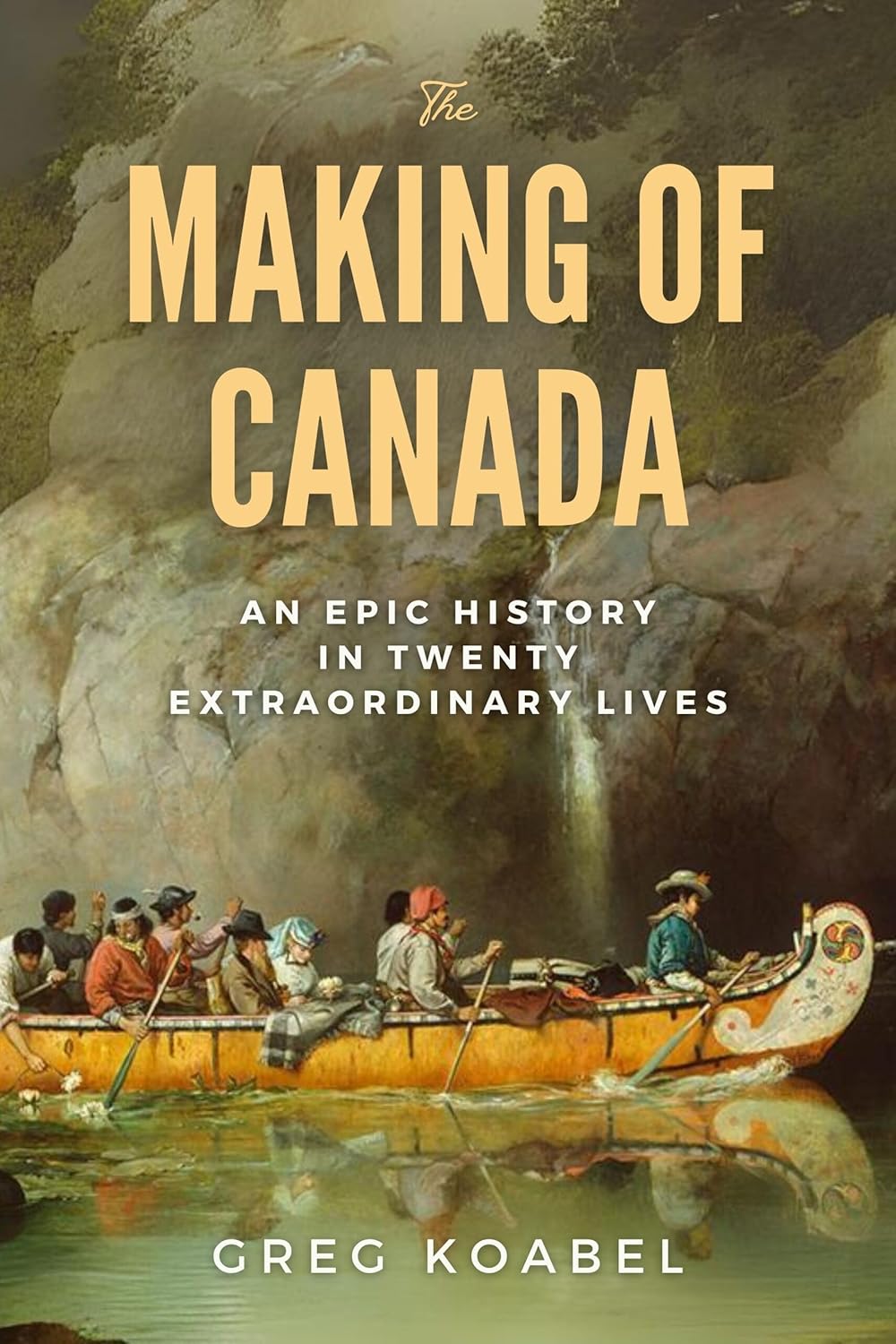
A concise and engaging review of The Making of Canada by Greg Koabel, tracing the country’s formation from early European exploration to Confederation through the lives of the individuals who shaped its history.
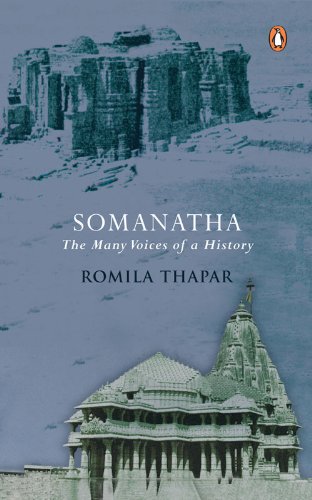
Romila Thapar’s Somanatha – The Many Voices of History dismantles the popular myths surrounding the Somnath temple, showing how medieval chronicles, colonial historians, and modern narratives have shaped its story. A deeply researched work, the book reveals multiple perspectives, from Turko-Persian accounts of Mahmud of Ghazni’s raid to Sanskrit inscriptions and Jain texts, offering readers a nuanced view of history beyond simplistic binaries of conqueror and victim.”
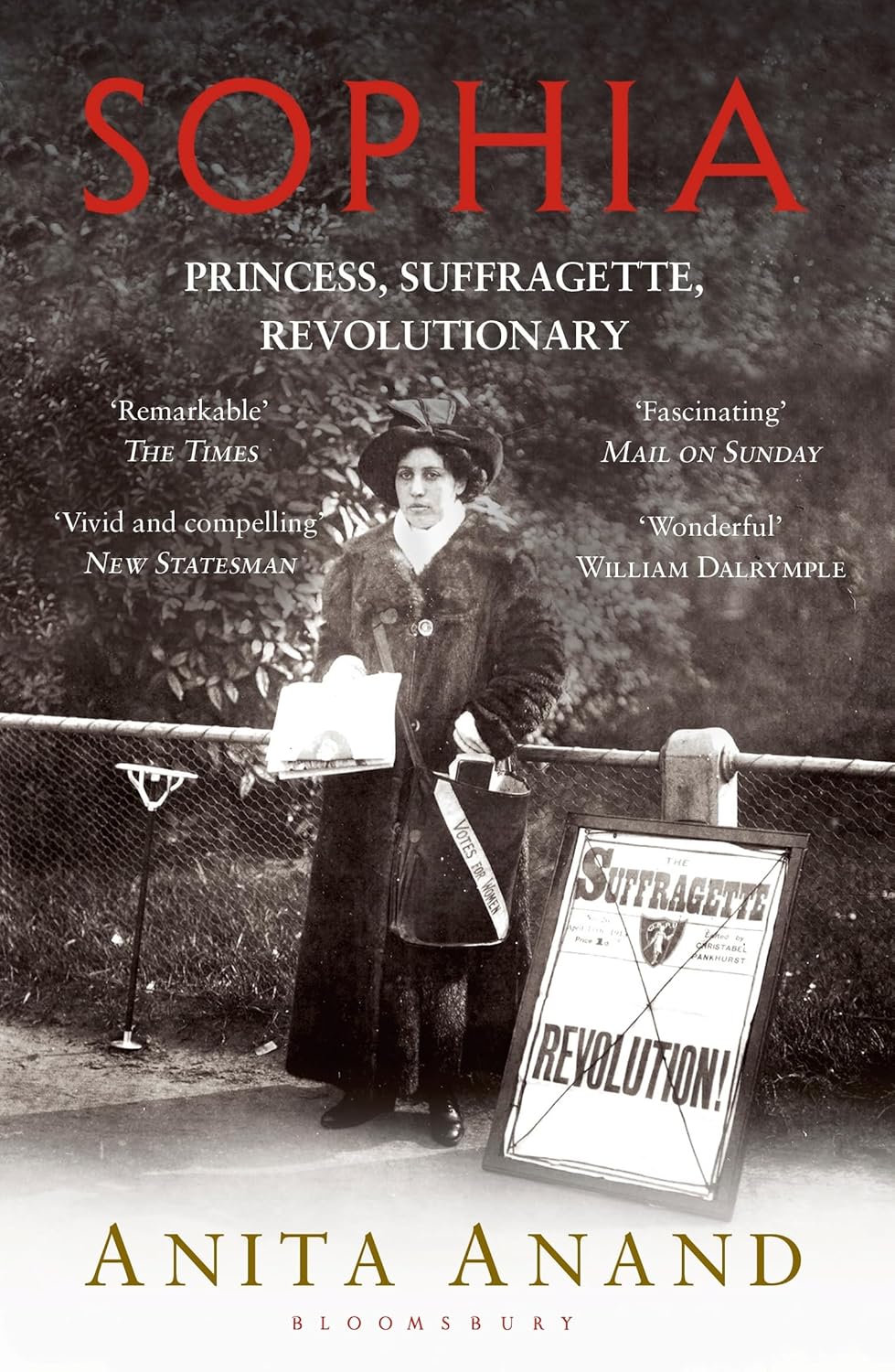
Anita Anand’s Sophia tells the remarkable story of Princess Sophia Duleep Singh, daughter of Maharaja Duleep Singh, and her journey from royal exile to suffragette activism.

Naomi Klein’s Doppelganger explores identity, social media, conspiracy theories, political distortion, digital selves, and the unsettling mirror world of modern life.
A deeply unsettling account of how profit, negligence, and regulatory failure can turn medicine into a weapon. The Truth Pill exposes what happens when human lives become collateral damage.
Why the Poor Don’t Kill Us is Manu Joseph’s first non-fiction book, and it asks a disturbing question: why do India’s poor endure injustice without revolting against the rich or the system? This review looks at the book’s sharpest arguments, its dark humour, and the places where I disagreed with Joseph.
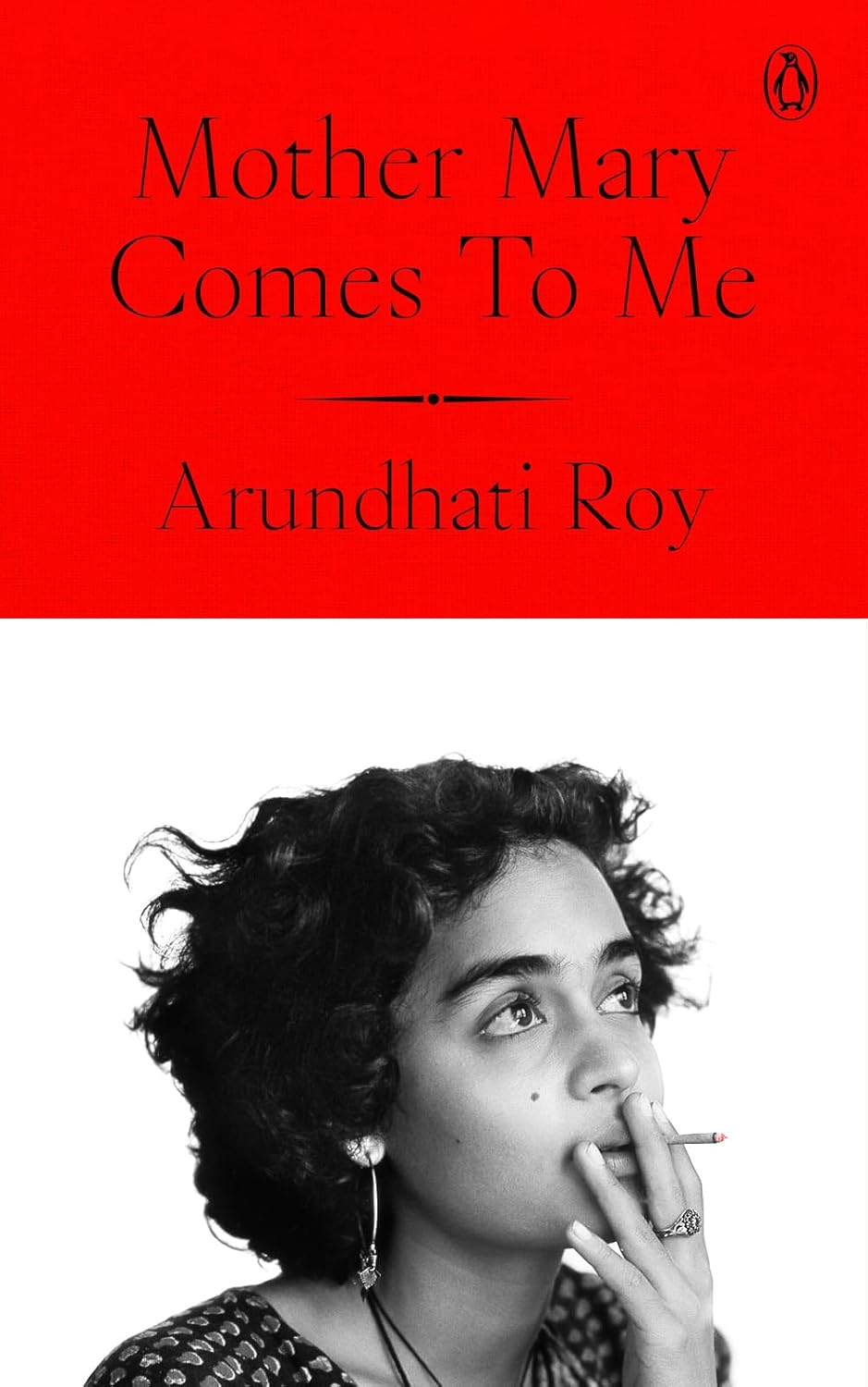
Arundhati Roy’s Mother Mary Comes to Me is a memoir about her mother Mary Roy, their complex relationship, Roy’s writing life, politics, memory, and becoming a writer.
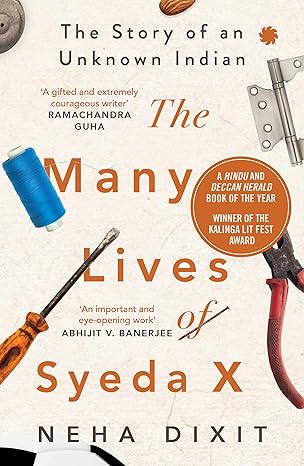
Neha Dixit’s The Many Lives of Syeda X tells the story of an invisible woman worker whose life reveals the realities of migration, informal labour, poverty, gender, and survival in India.
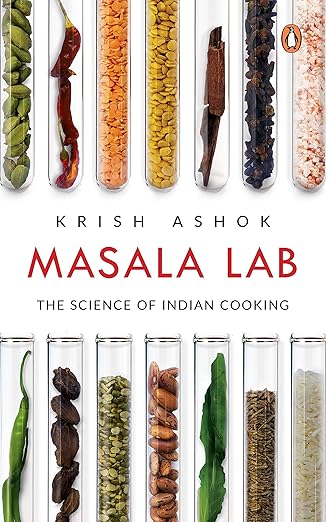
Krish Ashok’s Masala Lab explains the science of Indian cooking, from spices, flavour, heat, and texture to food myths, kitchen techniques, and better cooking.
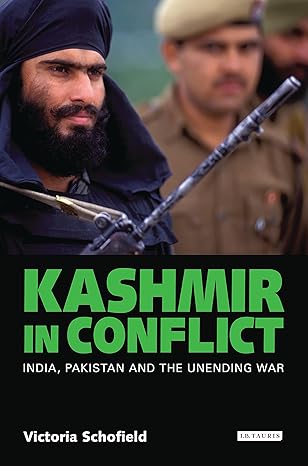
Victoria Schofield’s Kashmir in Conflict is a well-researched book on the history of Kashmir, accession, India-Pakistan tensions, militancy, and the roots of the Kashmir conflict.
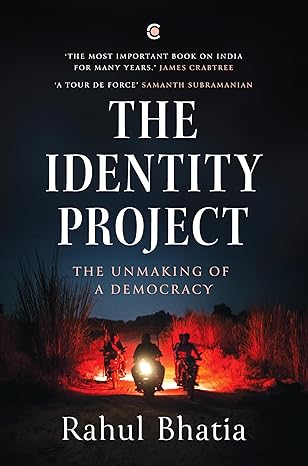
Rahul Bhatia’s The Identity Project examines Hindu identity, citizenship, Aadhaar, CAA, Delhi 2020, surveillance, and the changing nature of Indian democracy.
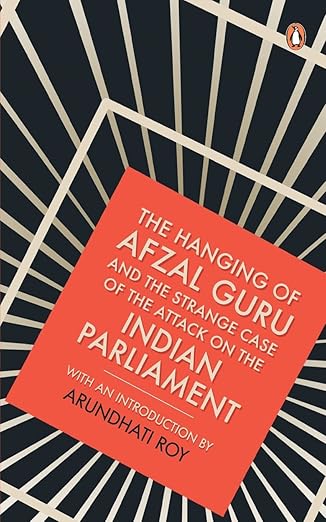
The Hanging of Afzal Guru examines the Parliament attack case, Afzal Guru’s trial and execution, and the questions raised around due process, justice, and Kashmir.

The Marathas is an excellent book for understanding the genesis and evolution of the Maratha polity in the early modern era.
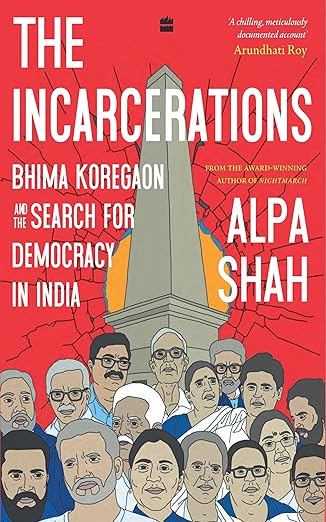
Alpa Shah’s The Incarcerations examines the Bhima Koregaon case, the BK-16, planted evidence, dissent, democracy, and the targeting of activists in India.
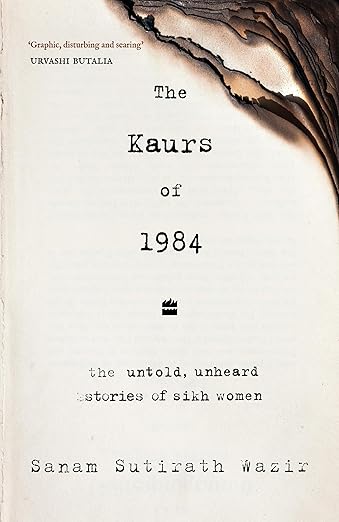
First hand testimonies and experiences of the women victims of the 1984 anti-Sikh violence, a dark chapter of Indian History.
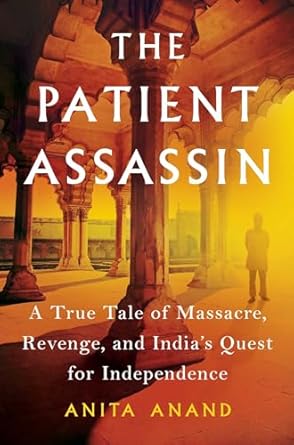
Anita Anand’s The Patient Assassin tells the story of Sardar Udham Singh, the Jallianwala Bagh massacre, Michael O’Dwyer, revenge, memory, and colonial injustice.

Ajaz Ashraf’s Bhima Koregaon: Challenging Caste examines the history of Bhima Koregaon, the 2018 violence, caste conflict, Elgar Parishad, and the BK16 arrests.
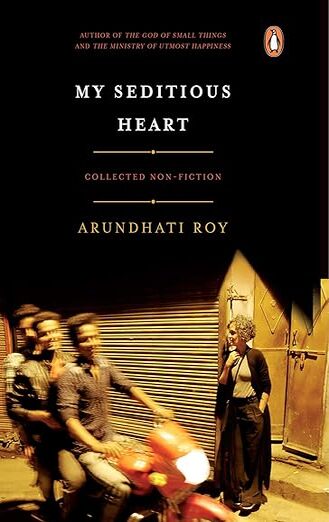
My Seditious Heart is a collection of essays by Arundhati Roy written over the past two decades. The essays are on wide variety of subjects but the crux of all is social justice for the marginalized, calling out the governments for their flawed, unsustainable, and anti-people policies and a passionate appeal for humanity.
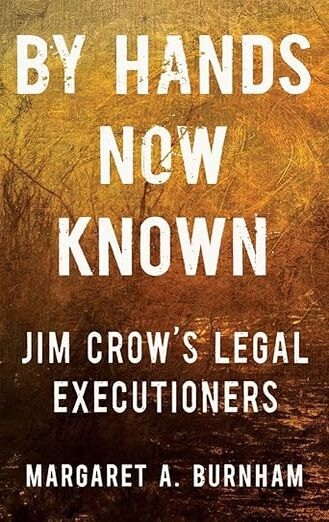
By Hands Now Known is a doorway to the history of injustice in the Jim Crow era, providing an insight into the atrocities faced by people

A fine book capturing the stories of nine extraordinary women athletes of India. It takes the readers through the trials and tribulations, success and failures, celebrations and heartbreaks of these women athletes.